
Your kitchen should be a safe space for cooking, but hidden contaminants could lurk where you least expect them. While most people focus on food safety, everyday kitchen tools and surfaces can quietly spread bacteria if not cleaned and maintained properly. Small changes can make a big difference in keeping your meals delicious and safe.
Here are seven everyday kitchen items that might contaminate your meals—without you even realizing it.
Bacteria Drawing
Credit Kitchen in the Med
Share this article
1. Your Kitchen Sponge: A Bacteria Breeding Ground

Bacteria Drawing
Credit Kitchen in the Med
Your sponge may look clean, but it’s actually one of the dirtiest things in your kitchen. Sponges absorb food particles, moisture, and bacteria like E. coli and salmonella, making them a perfect environment for microbial growth.
How to fix it:
- Microwave your damp sponge for one minute to kill bacteria.
- Replace sponges every one to two weeks.
- Consider using a washable dishcloth that can be sanitized in the washing machine.
2. Cutting Boards: Hidden Bacteria Traps
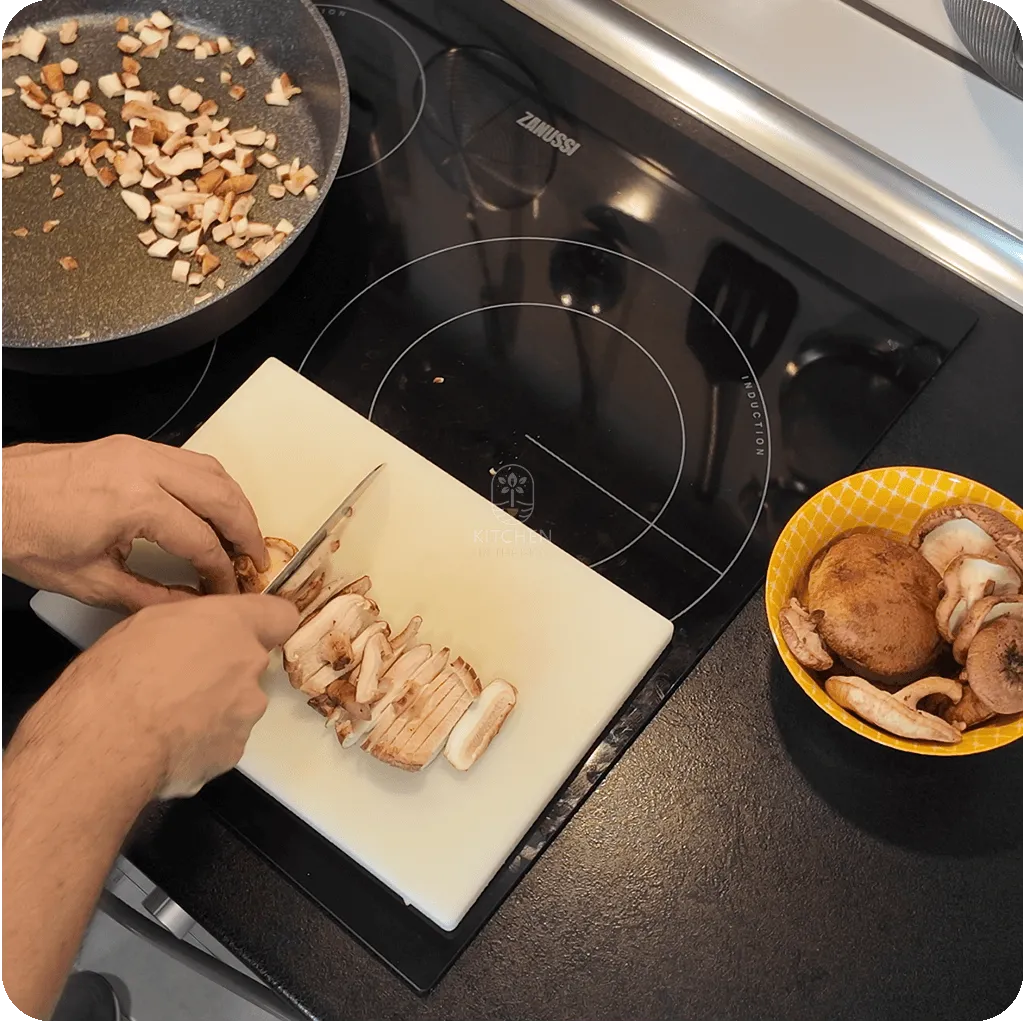
Slicing Mushrooms
Credit Alberto Conde Kitchen in the Med
Every cut on your board creates tiny grooves where bacteria can thrive, especially if you use the same board for raw meat, poultry, and vegetables.
How to fix it:
- Use separate cutting boards: one for raw meat, one for produce, and one for cooked food.
- Clean with hot, soapy water after each use and disinfect with vinegar or hydrogen peroxide.
- Replace heavily scratched or worn boards to prevent bacteria buildup.
3. Kitchen Towels: Germ Collectors
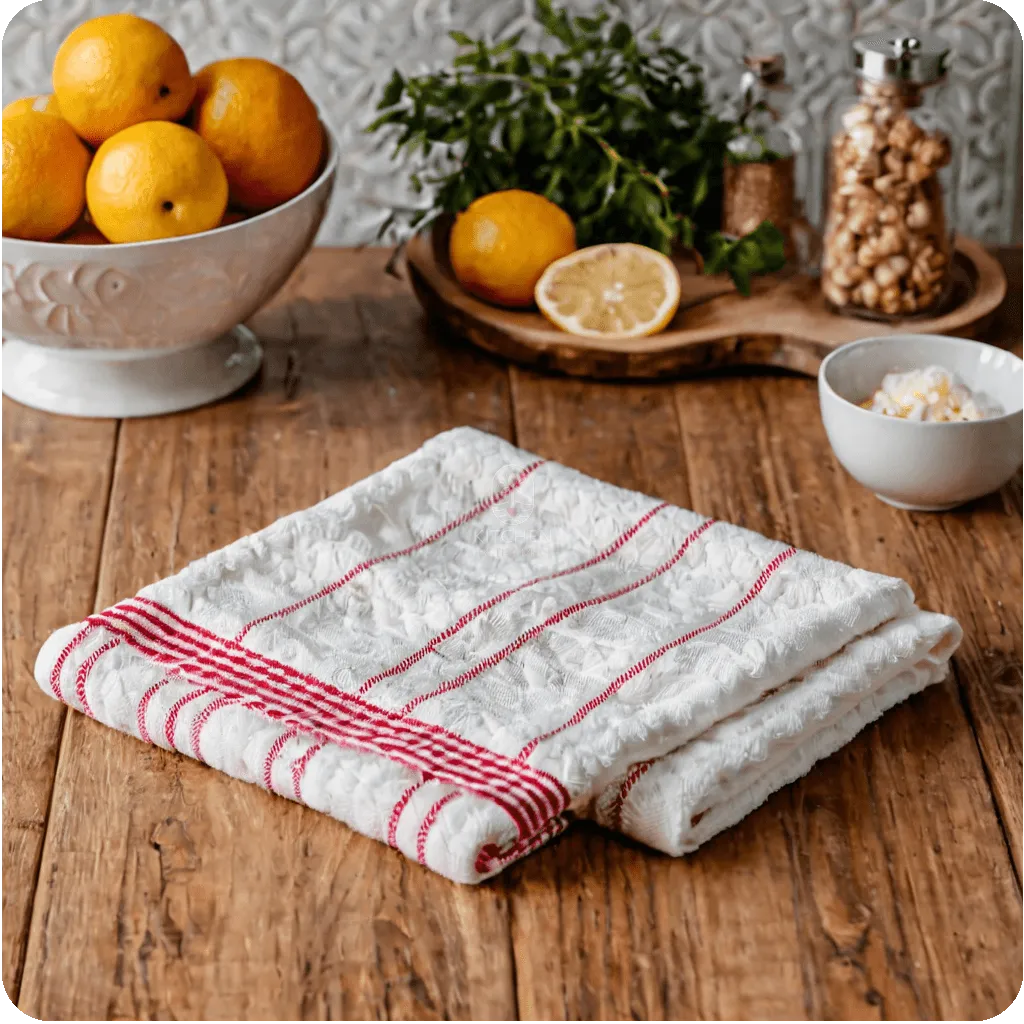
Kitchen Towel Drawing
Credit Kitchen in the Med
Consider how often you grab a kitchen towel—after touching raw meat, wiping up spills, or drying your hands. That towel could be transferring bacteria all over your kitchen.
How to fix it:
- Switch out kitchen towels daily.
- Use color-coded towels for different tasks (one for hands, one for dishes, one for counters).
- Consider using paper or microfiber towels that dry quickly and resist bacteria growth.
4. Dish Racks: Damp and Dirty
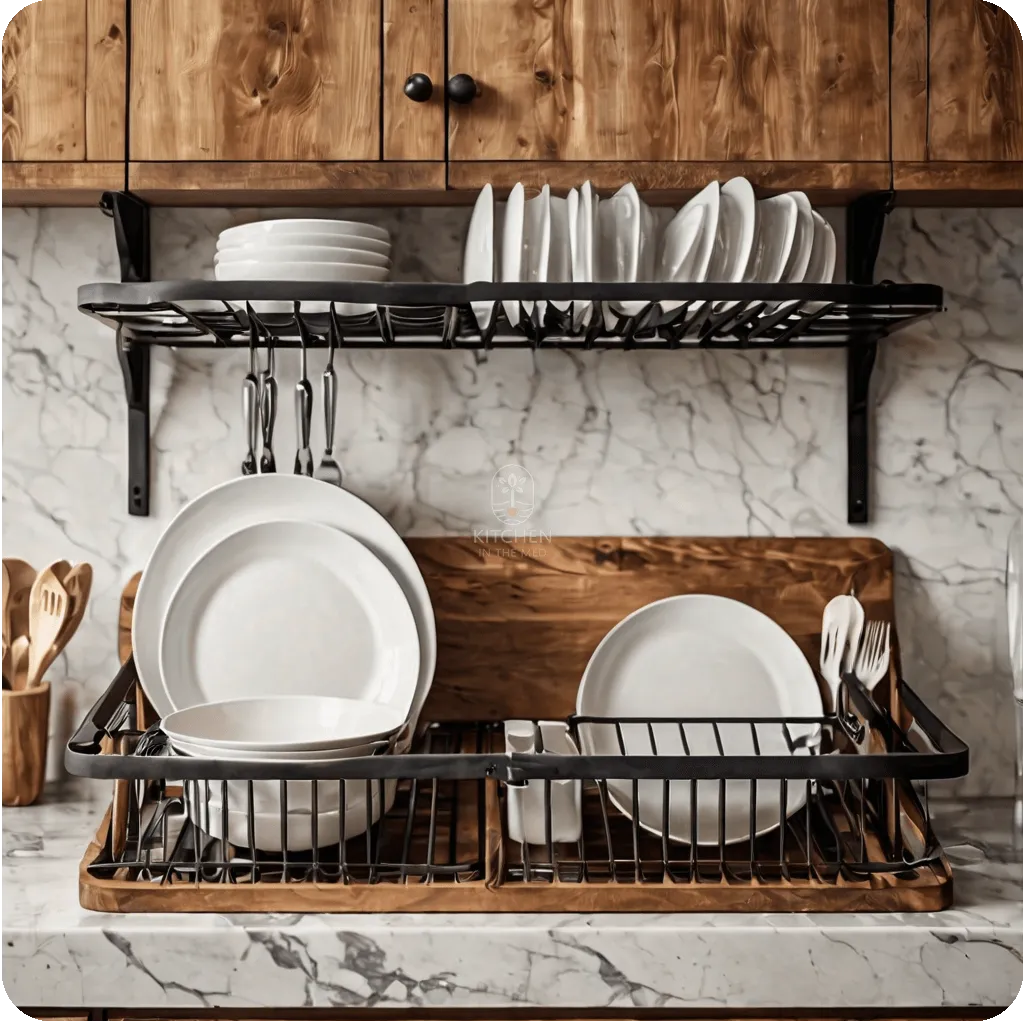
Dish Rack Drawing
Kitchen in the Med
Your dish rack is supposed to dry your clean dishes, but leftover water and food particles can make it a breeding ground for mold and bacteria.
How to fix it:
- Wash and disinfect your dish rack weekly.
- Allow it to air dry completely between uses.
- Choose a rack with a removable tray for easier cleaning.
5. Scrub Brushes: A Hidden Bacteria Haven
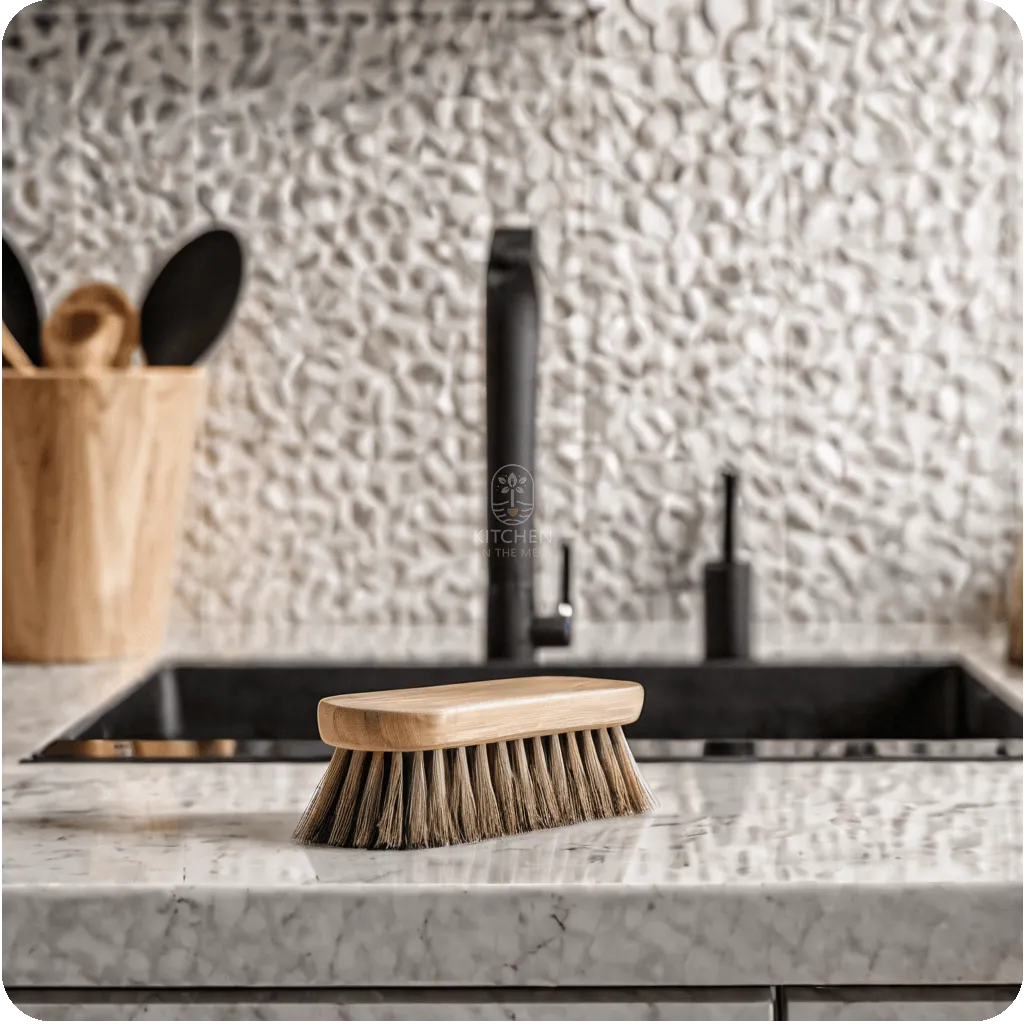
Scrub Brush Drawing
Kitchen in the Med
Scrub brushes help clean your dishes, but their bristles can trap food and moisture, making them perfect places for bacteria to thrive.
How to fix it:
- Run dishwasher-safe brushes through a hot cycle regularly.
- Rinse thoroughly and let them dry completely after each use.
- Store brushes upright to allow for airflow and prevent moisture buildup.
6. Knife Blocks: The Unseen Culprit
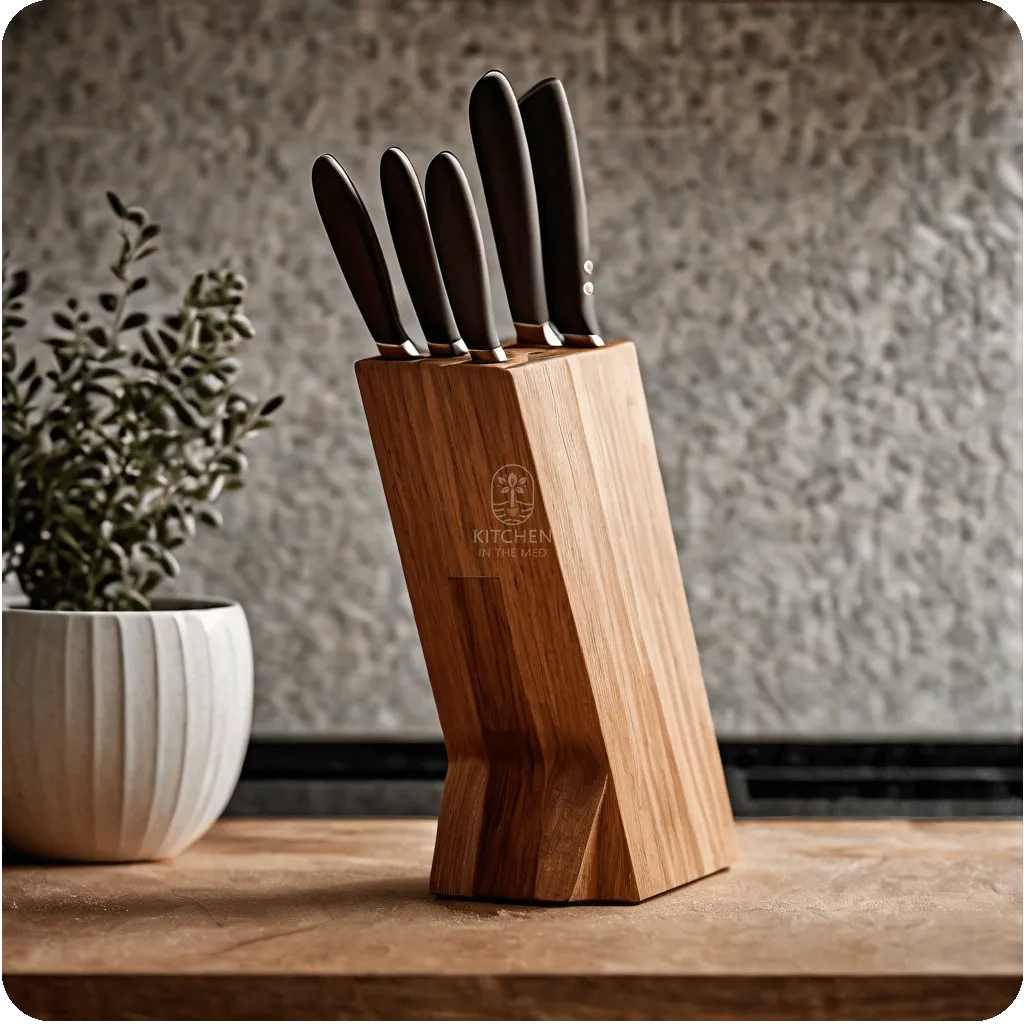
Knife Block Drawing
Credit Kitchen in the Med
You slide your knife back into its slot, but how often do you clean the inside of your knife block? Dust, crumbs, and bacteria can collect in the slots, contaminating your clean knives.
How to fix it:
- Remove all knives and clean the slots with a narrow brush or compressed air.
- Disinfect the block monthly with a diluted bleach solution.
- Consider using a magnetic knife strip to store knives in the open air. Plus, they look cool and professional!
7. Your Oven: A Hidden Grease Trap

Oven Drawing
Credit Kitchen in the Med
A greasy, dirty oven isn’t just an eyesore—it can release harmful fumes and contaminate your food with burnt residue.
How to fix it:
- Clean your oven regularly with baking soda and vinegar.
- Run the self-cleaning cycle at least once every few months.
- Wipe down spills immediately after cooking to prevent buildup.

Germs Drawing
Credit Kitchen in the Med
A few simple changes can drastically improve kitchen hygiene and help keep your meals safe from unwanted bacteria and contaminants. By maintaining these everyday kitchen items, you’re protecting yourself and your family from potential foodborne illnesses.
Take a moment today to inspect your kitchen—small tweaks now can lead to a safer, healthier cooking space!
Share this article