Let me help you make the Mediterranean diet fit your life with tips on seasonal eating, flexible moderation, easy meal prep, and enjoying meals with friends. Enjoy a balanced, flavorful lifestyle without strict rules backed by trusted health insights.
The Mediterranean Diet Fosters Eating Socially
Credit MARINA CAVUSOGLU
Share this article
Table of Contents
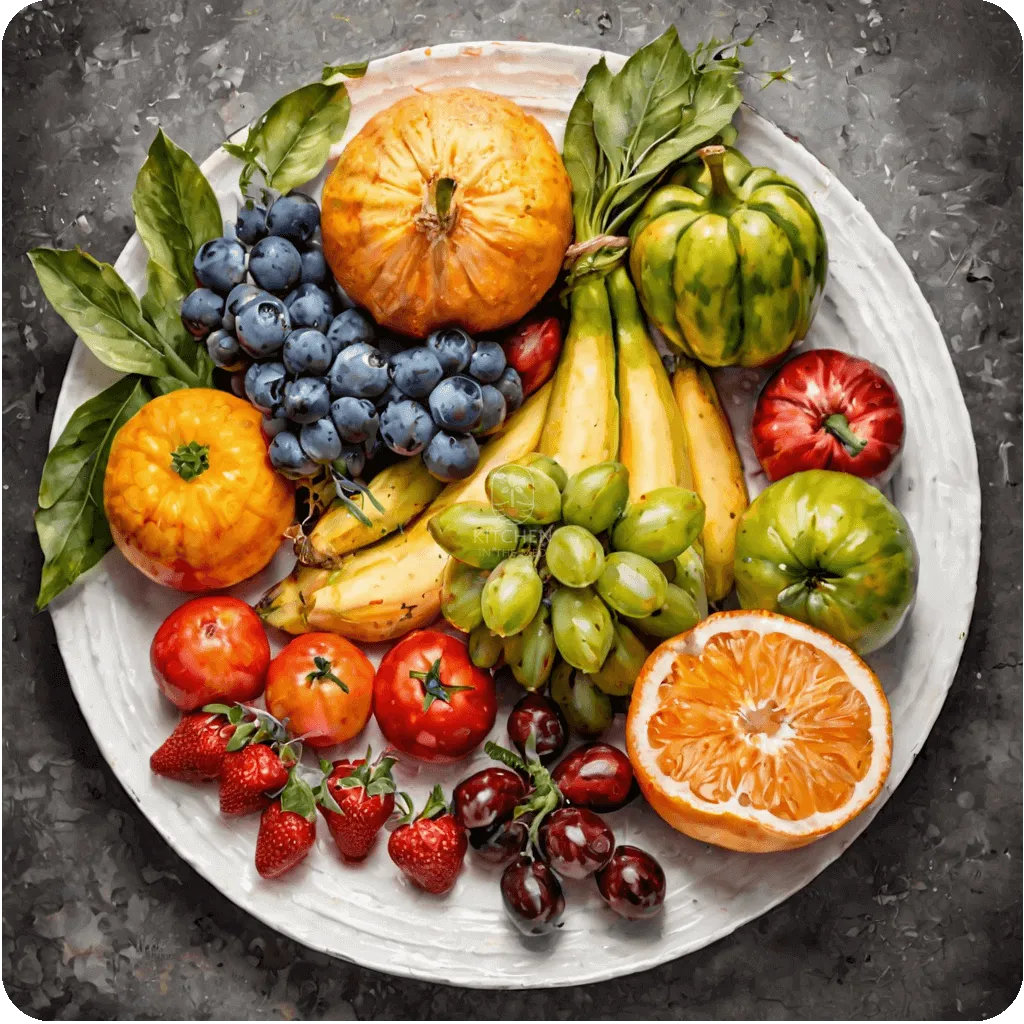
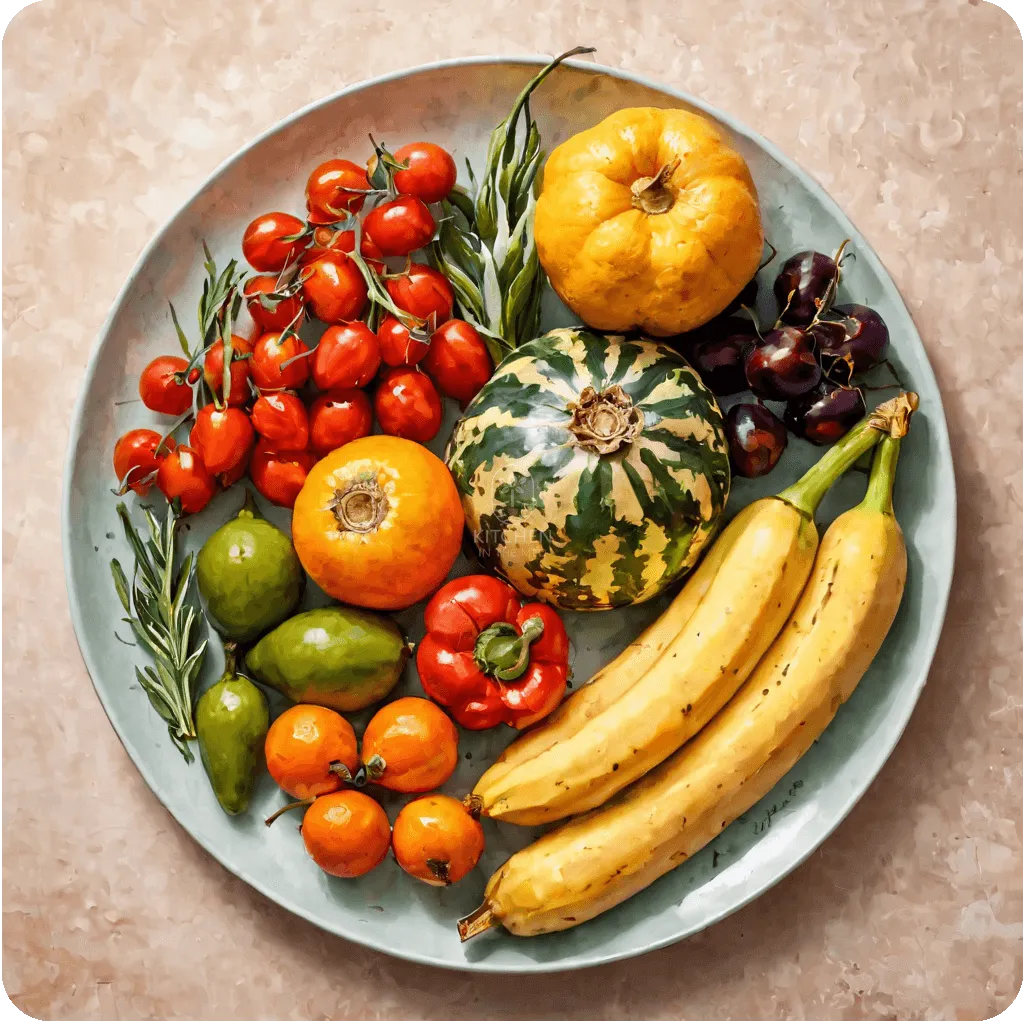
Incorporate Seasonal and Local Produce
Seasonal Produce Drawing
Credit Alberto Conde Kitchen in the Med
This practice will improve the freshness and flavor of your meals, and you will support local agriculture. I like to visit farmers’ markets to purchase fresh produce, making meal preparation more enjoyable and aligned with the Mediterranean diet’s principles. It also introduces variety into my diet and is more fun overall.
Embrace Flexibility and Moderation
Many people think you have to eliminate most foods. But it is best to allow occasional indulgences, like enjoying dark chocolate or a glass of red wine, without feeling guilty. It helps sustain a long-term commitment to the diet since it is more enjoyable and less rigid. Moderate your eating 5 to 6 days a week and indulge in whatever food you fancy on the seventh day. Try different dishes, plan your meals, and prepare ahead.
Start by planning and preparing your meals
If you prepare meals beforehand, you will have a better time following a moderate diet, especially during busy weeks. For example, you can cook large batches of quinoa and roast vegetables on weekends and use them in various dishes throughout the week. This strategy saves time and reduces the temptation to choose less healthy convenience foods.
Incorporate Diverse Protein Sources
While the Mediterranean diet emphasizes fish and poultry, some might want to include plant-based proteins like legumes, nuts, and seeds. It is good to introduce lentils and chickpeas into salads and stews, which is satisfying and in line with the diet’s guidelines. It helps with a healthy intake of essential nutrients.
Share Recipes and Culinary Experiences
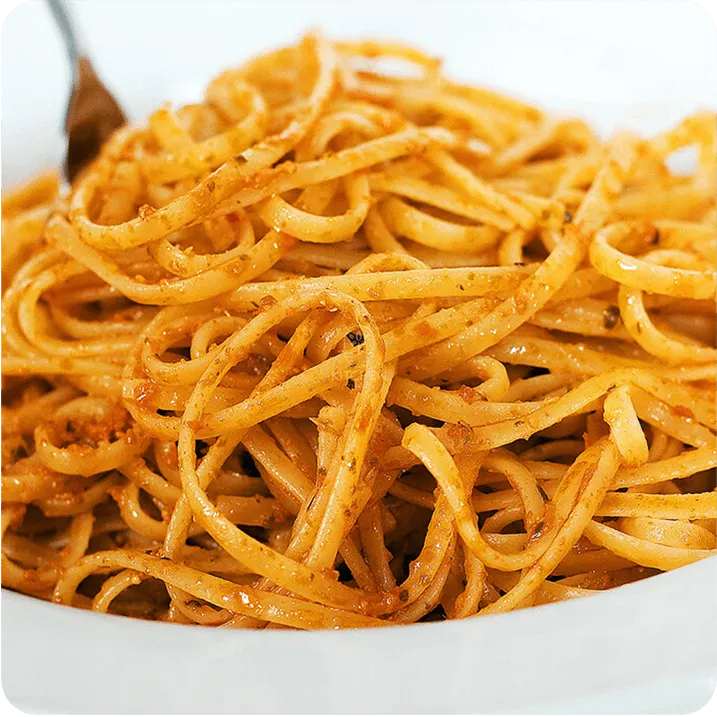
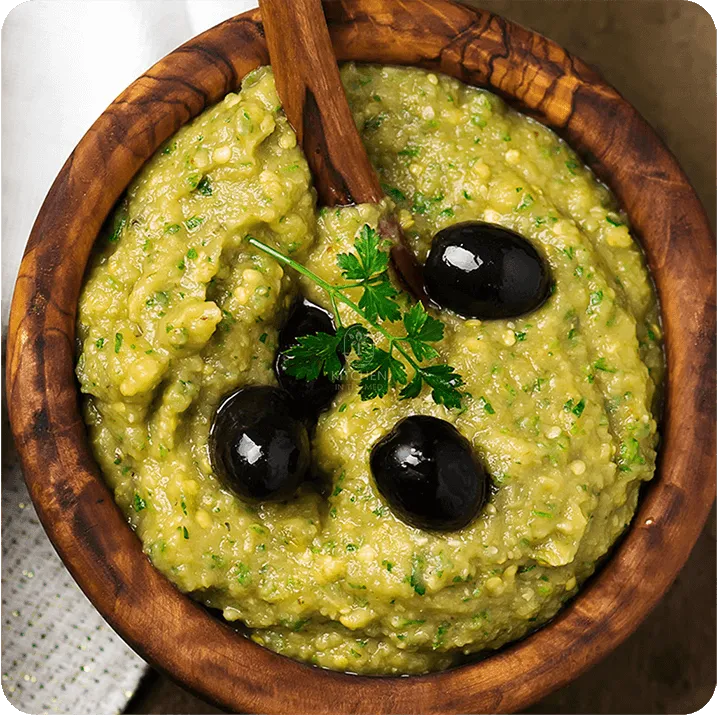
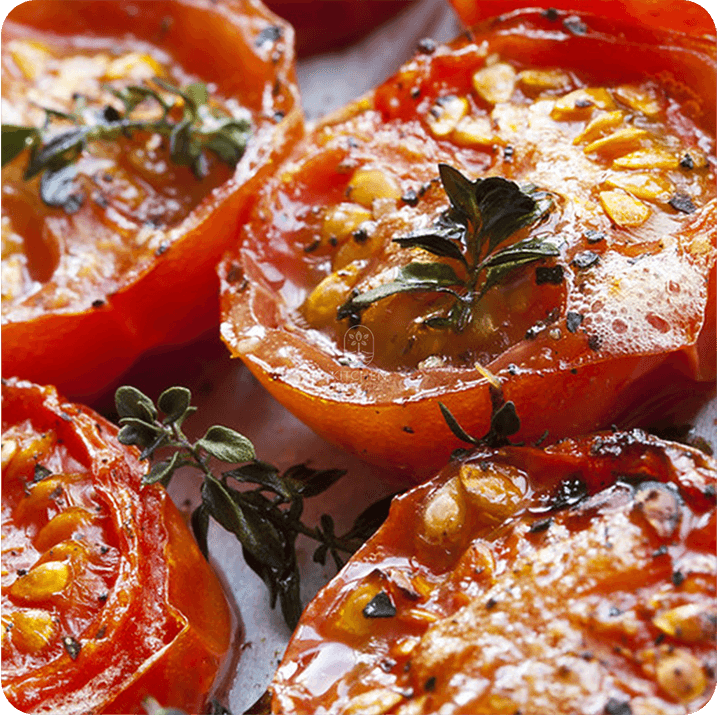

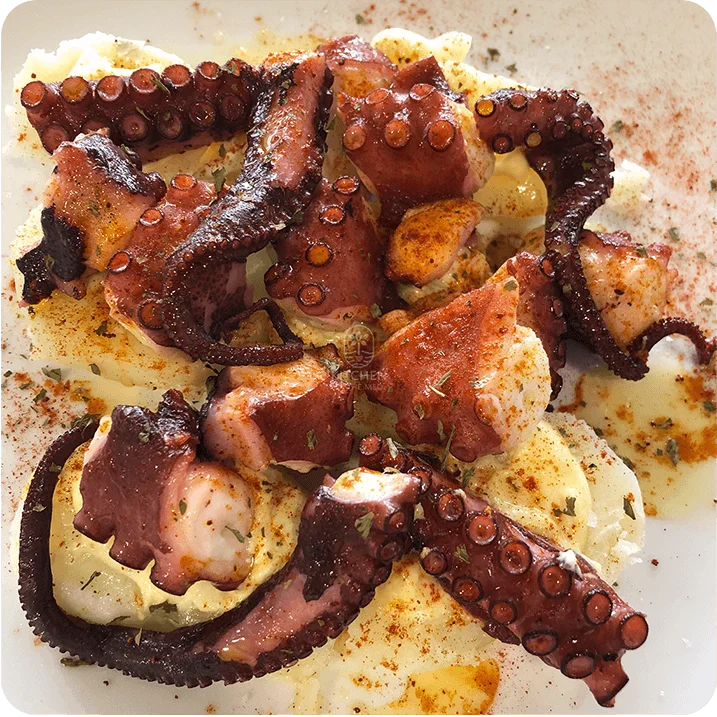

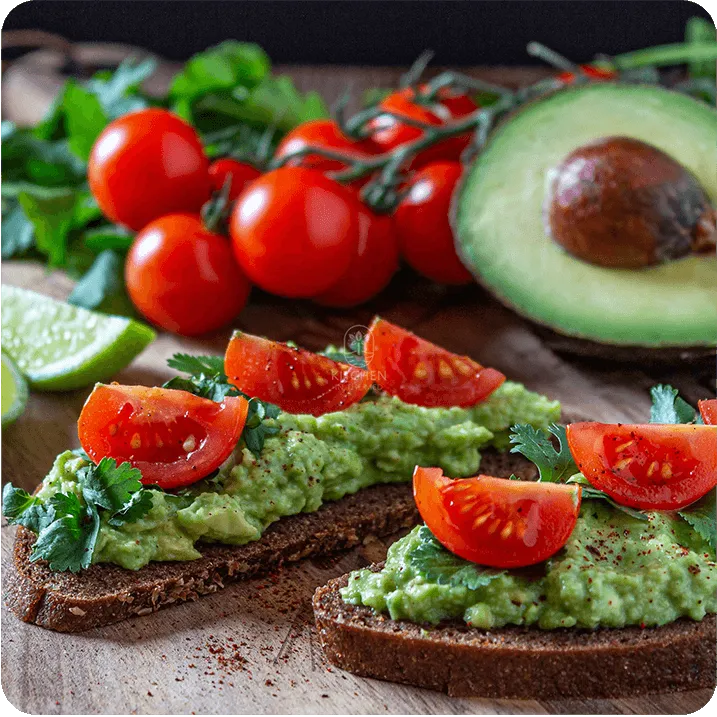
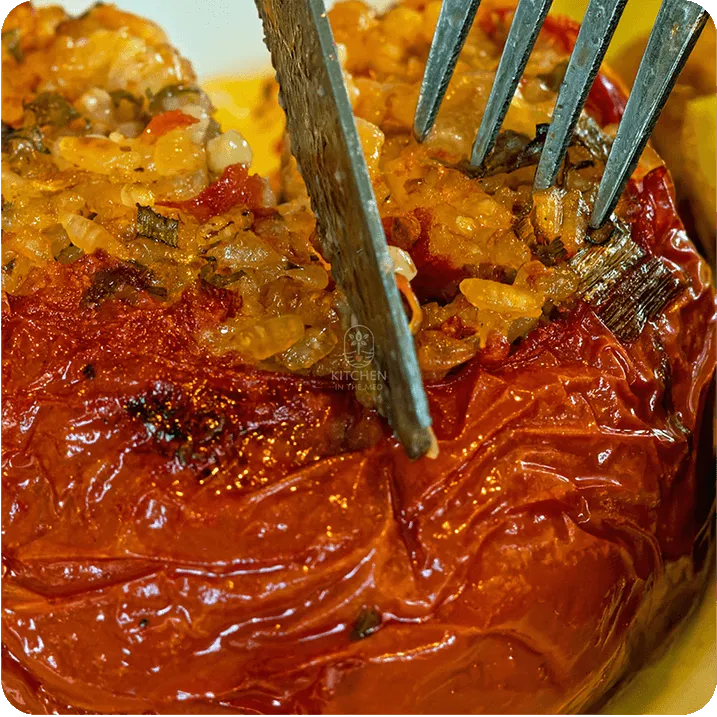
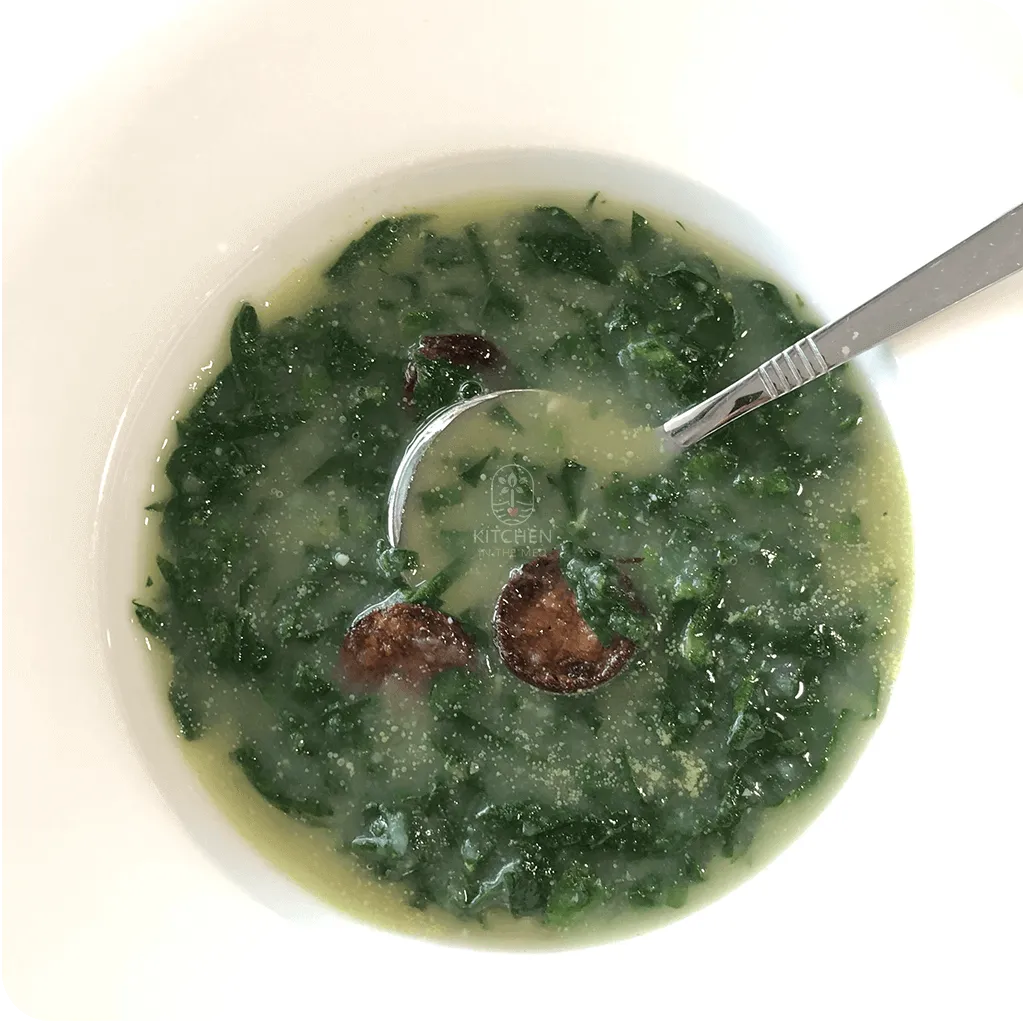
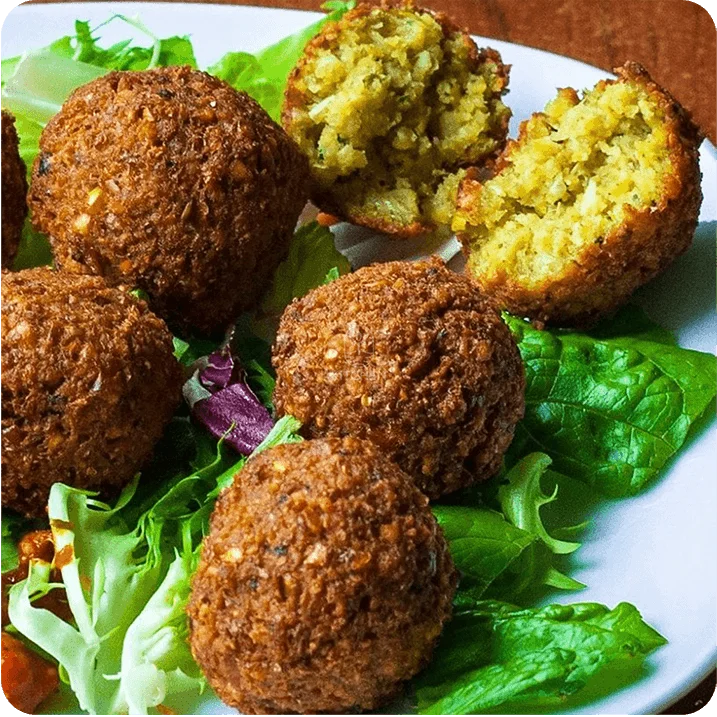
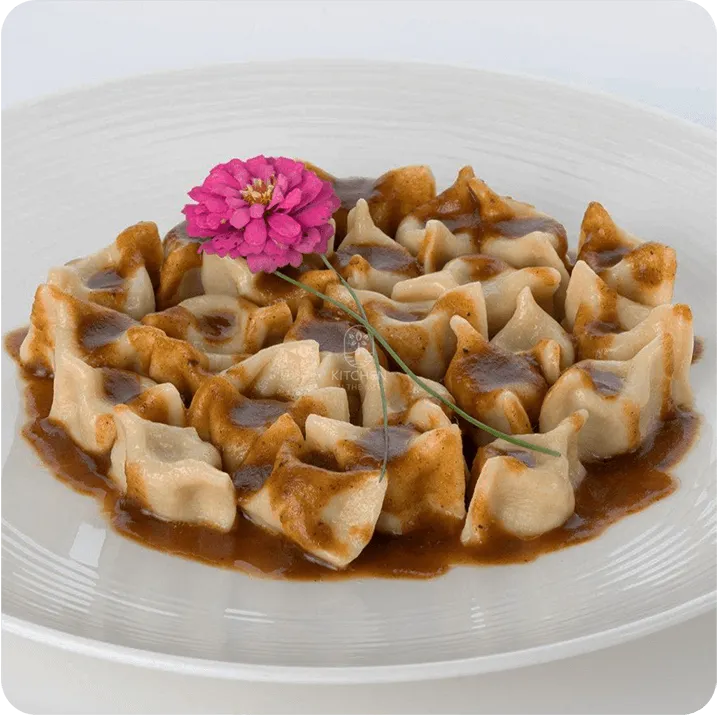
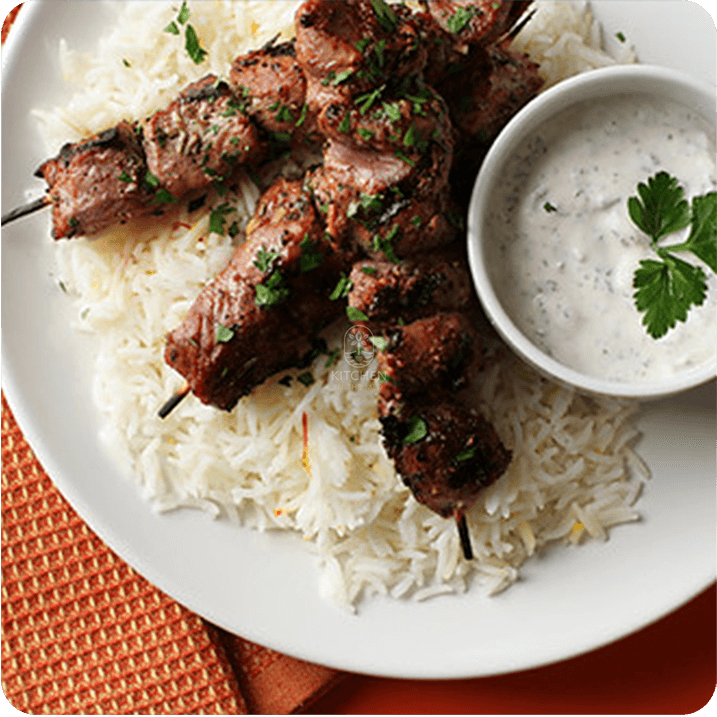
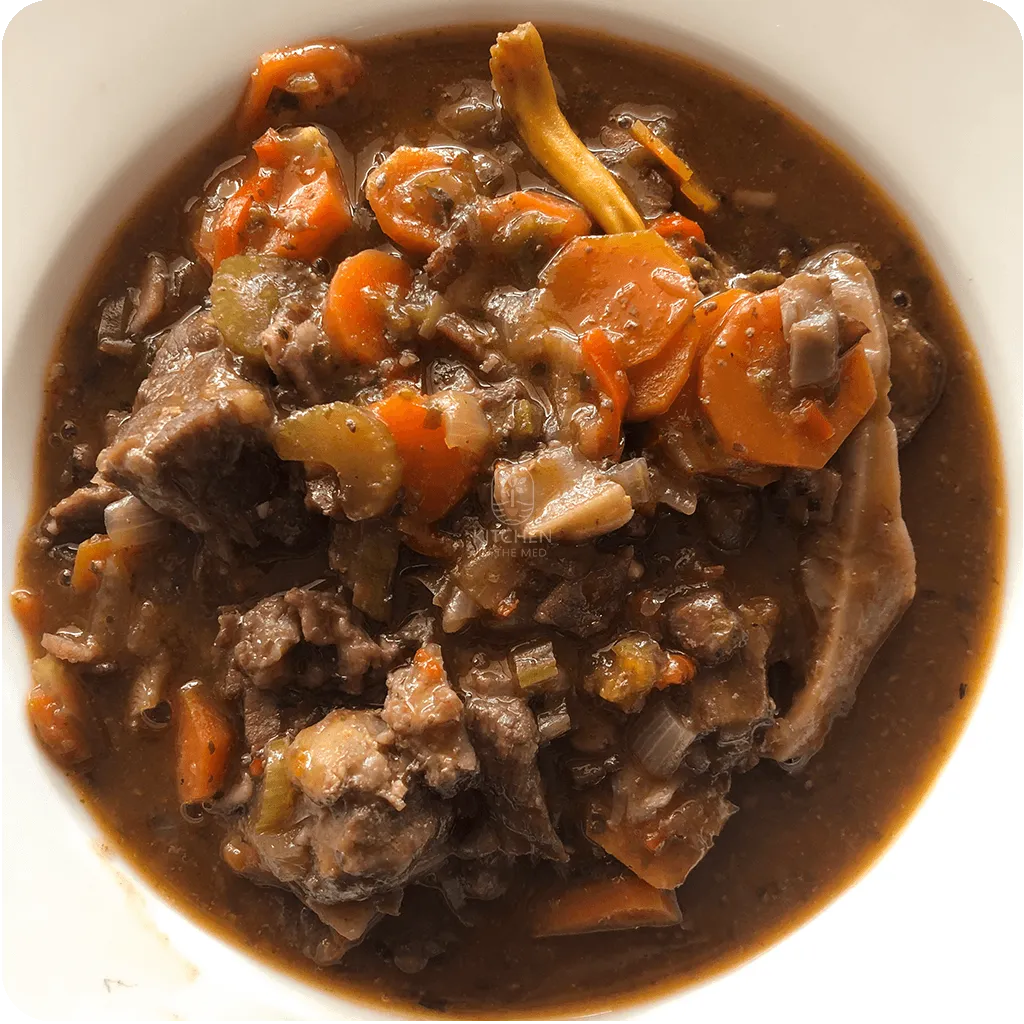

It helps to keep the Mediterranean diet exciting and flavorful. Many people like Greek salads, ratatouille, and homemade hummus, which are popular and easy to make. You can host a Mediterranean-themed dinner party. You will introduce your friends to healthy dishes and encourage them to explore this eating style.
But remember, I am not a nutritionist. What I share here is based on my life experience and the three years I spent personalizing diets in a small nutrition business with my sister years ago.
So, I researched trusted sources for professional advice, and this is what I found.
Insights from trusted professional sources
Seasonal Produce Drawing
Credit Alberto Conde Kitchen in the Med
1. You Should Prioritize Fruits and Vegetables
- A central principle of the Mediterranean diet is its high intake of fruits and vegetables, which provides essential vitamins, minerals, and fiber.
- High fiber content improves digestion and may lower the risks of chronic diseases. These nutrient-dense foods reduce inflammation and oxidative stress, contributing to long-term health. The USDA guidelines similarly emphasize vegetables and fruits as the foundation of a healthy diet, recommending at least five servings a day.
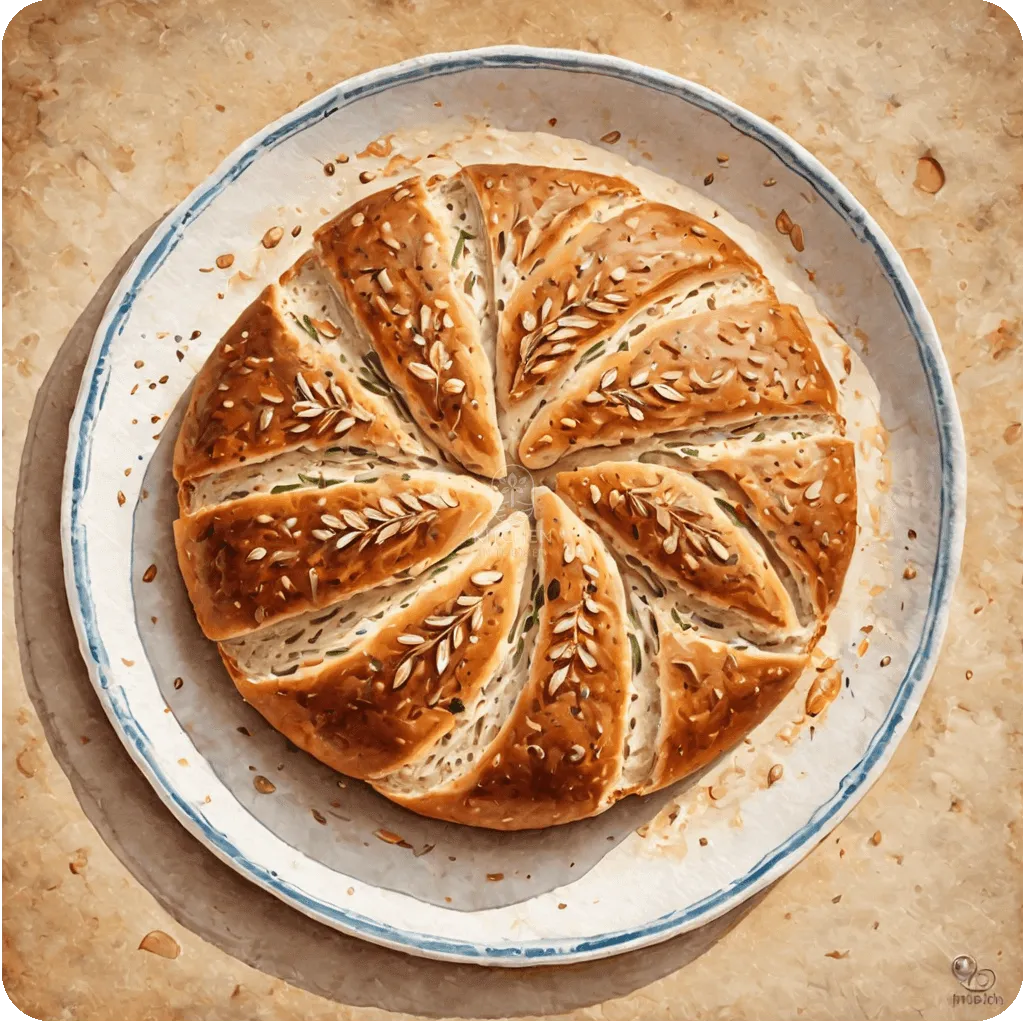
2. Embrace Whole Grains
- Whole grains, such as barley, farro, and whole wheat, release glucose more slowly than refined grains, helping to keep blood sugar stable. They also help reduce the risk of type 2 diabetes and cardiovascular disease. Government health sources also recommend that half of everyday grain intake be whole grains.
3. Incorporating Healthy Fats
Healthy fats from nuts, olive oil, and fish, typical of the Mediterranean diet, provide essential fatty acids and anti-inflammatory benefits.
Diets high in monounsaturated fats usually produce reduced LDL cholesterol levels and improved heart health. The omega-3 fatty acids in some fish help lessen inflammation and the chances of heart disease.
4. Limit the Red Meat and Processed Foods in your Diet
Processed foods and red meat are often high in saturated fats and sodium, negatively impacting heart health.
Adhering to a diet low in red and processed meats will likely lower your chance of hypertension and heart disease. The American Heart Association also recommends using lean protein sources like poultry and legumes in the Mediterranean diet.
5. Emphasize Plant-Based Proteins
Plant-based proteins are fiber-rich and low in saturated fat. You can use nuts, beans, and legumes in many Mediterranean diet recipes to complement or substitute animal protein. You’ll likely enjoy better muscle health and satiety.
6. Enjoying Meals Mindfully and Socially
Sharing food with family and friends fosters positive mental health, reduces stress, and improves dietary satisfaction. The World Health Organization (WHO) says cultural aspects of diets like the Mediterranean are essential to mental and physical health.
Whole Grain Bread Drawing
Credit Alberto Conde Kitchen in the Med
Sources I used in this Article
MDPI Multidisciplinary Digital Publishing Institute
Fostering Resilience and Wellness: The Synergy of Mindful Eating and the Mediterranean Lifestyle
National Library of Medicine, PubMed Central
Health Benefits of the Mediterranean Diet: Metabolic and Molecular Mechanisms
Mayo Clinic Health System
American Heart Association
The New England Journal of Medicine
British Journal of Nutrition
Mediterranean Diet and cardiovascular health: an historical perspective
Fostering Resilience and Wellness: The Synergy of Mindful Eating and the Mediterranean Lifestyle
Health Benefits of the Mediterranean Diet: Metabolic and Molecular Mechanisms
Tips for eating more plant-based proteins
Mediterranean Diet and cardiovascular health: an historical perspective
Share this article