

Sage
Quick links to save you time
Why Grow Sage? 7 Reasons to grow it
- Sage thrives as a low-maintenance and drought-tolerant perennial herb.
- You can effortlessly grow it in various settings.
- Sage excels at collecting certain nutrients, such as potassium and calcium. Because of this, adding it to your compost heap offers benefits.
- Sage benefits gardens by attracting pollinators and other helpful insects and acts as a natural rodent repellent.
- As a culinary delight, sage enhances many dishes with its fragrance and offers numerous health benefits as an herbal remedy.
- You can grow sage in pots or directly in the ground, making it versatile for diverse garden setups.
- Being a perennial, sage promises a presence in your garden for many seasons ahead.
Sage in Landscaping
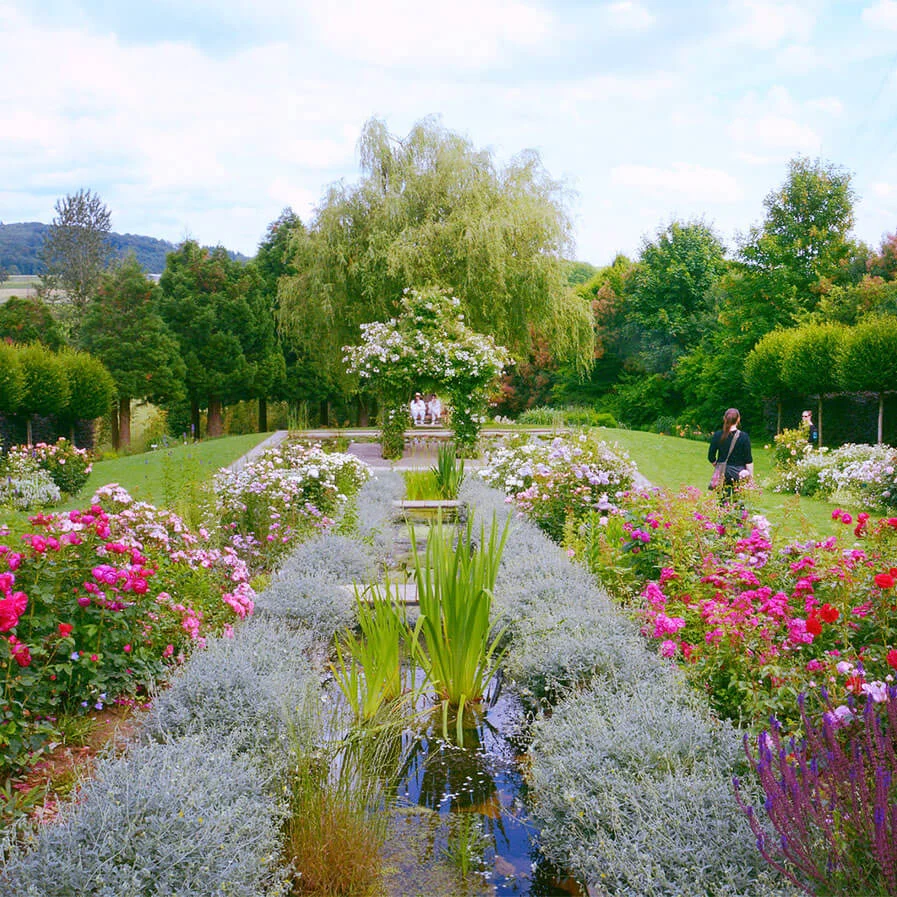
Sage in English Country Garden
Add sage to your herb garden for a beautiful and valuable space. Its drought tolerance and texture make it perfect for rock gardens, adding character to the landscape. Use sage along borders and edges to define areas and bring vibrant colors. Pair it with other Mediterranean plants for a water-efficient garden that thrives in dry conditions. Mix sage with nectar-rich plants to attract bees, butterflies, and hummingbirds, creating a lively, pollinator-friendly garden.
The 10 Best Varieties of Sage
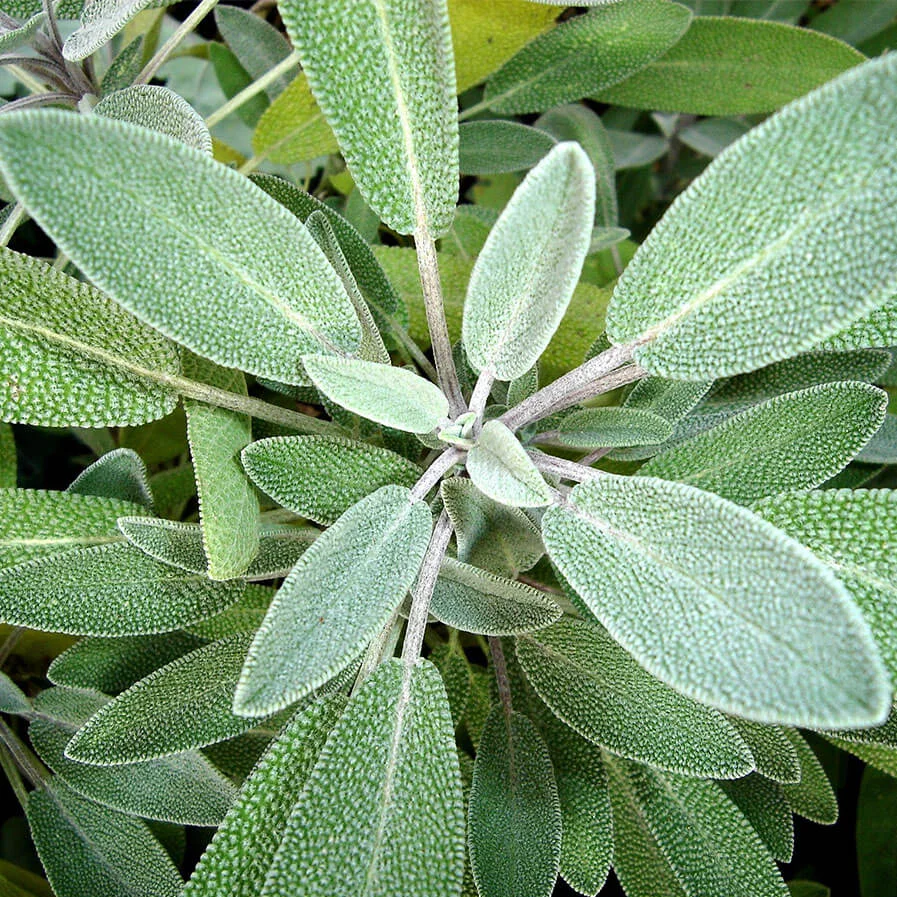
Sage
I have ordered them according to their popularity and ease of growth. They also require little maintenance.
- Common sage (Salvia officinalis): This type of sage is the preferred choice for cooking. It’s robust, handles drought well, and lures pollinators to the garden.
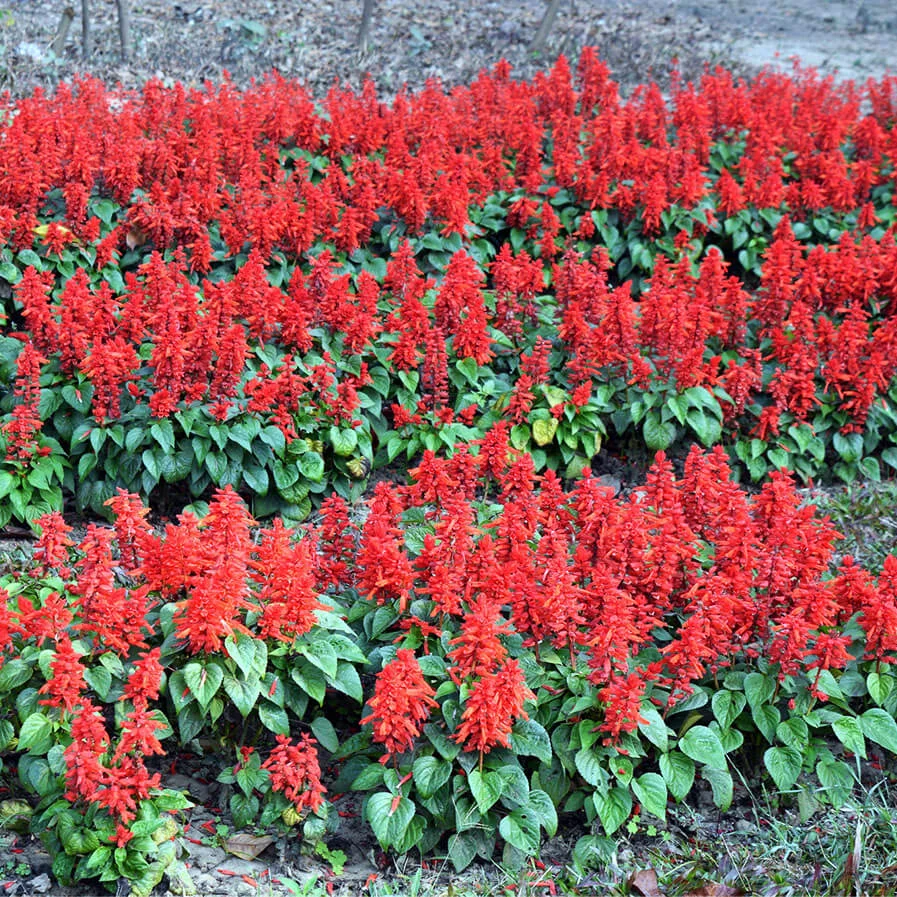
Salvia Splendens – Scarlet Sage
Credit Qazi Mahmud Hussain Rumon
- Scarlet sage (Salvia splendens): This yearly plant showcases spikes of vivid red flowers, drawing in hummingbirds and butterflies. It flourishes in direct sunlight but can also manage a bit of shade.
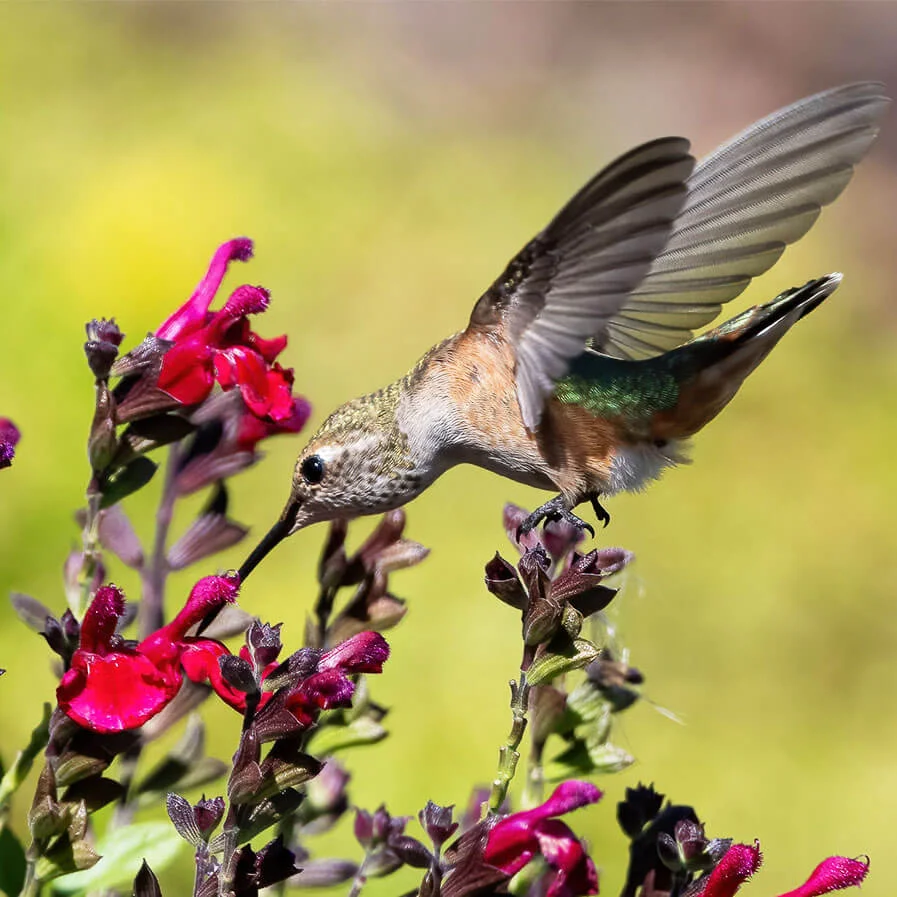
A female Rufous Hummingbird almost to the sweet nectar of our Salvia Greggii Sage plant
- Autumn sage (Salvia greggii): This perennial plant displays spikes of red, pink, or purple flowers during the late summer and fall. It’s resilient to drought and becomes a magnet for hummingbirds and butterflies.
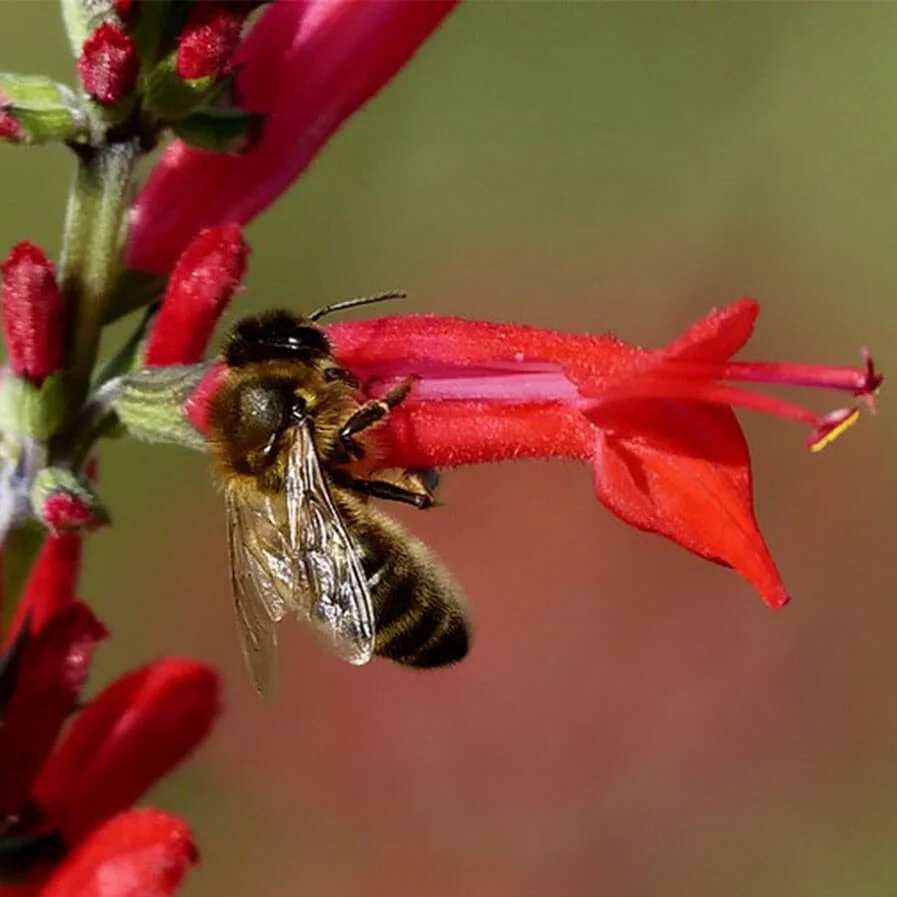
Bee on Pineapple Sage
- Pineapple sage (Salvia elegans): This perennial sage blooms with tubular red flowers, luring butterflies and hummingbirds. You can enjoy its fresh leaves in salads or dry them for a floral-flavored tea.
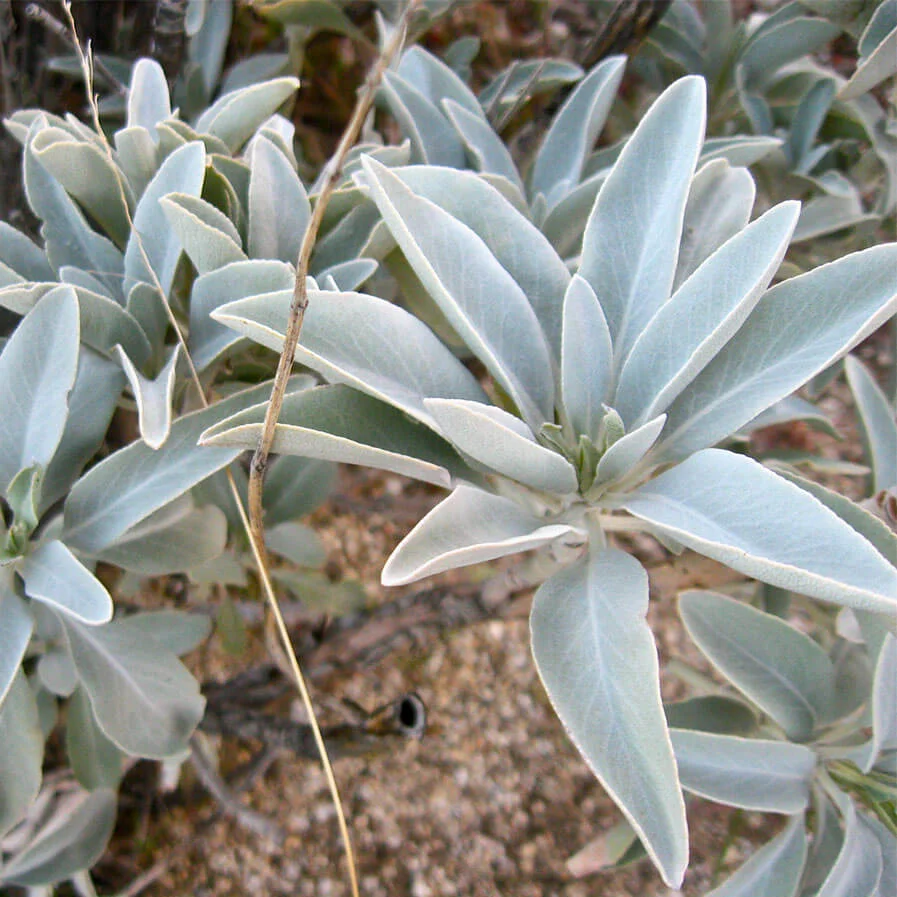
Salvia Apiana – White Sage
- White sage (Salvia apiana): Native Americans and Canadian First Nations peoples often use this plant in smudging ceremonies, typically with cedar and sweetgrass. Its silvery leaves produce tall spikes of white flowers from late spring through early summer.
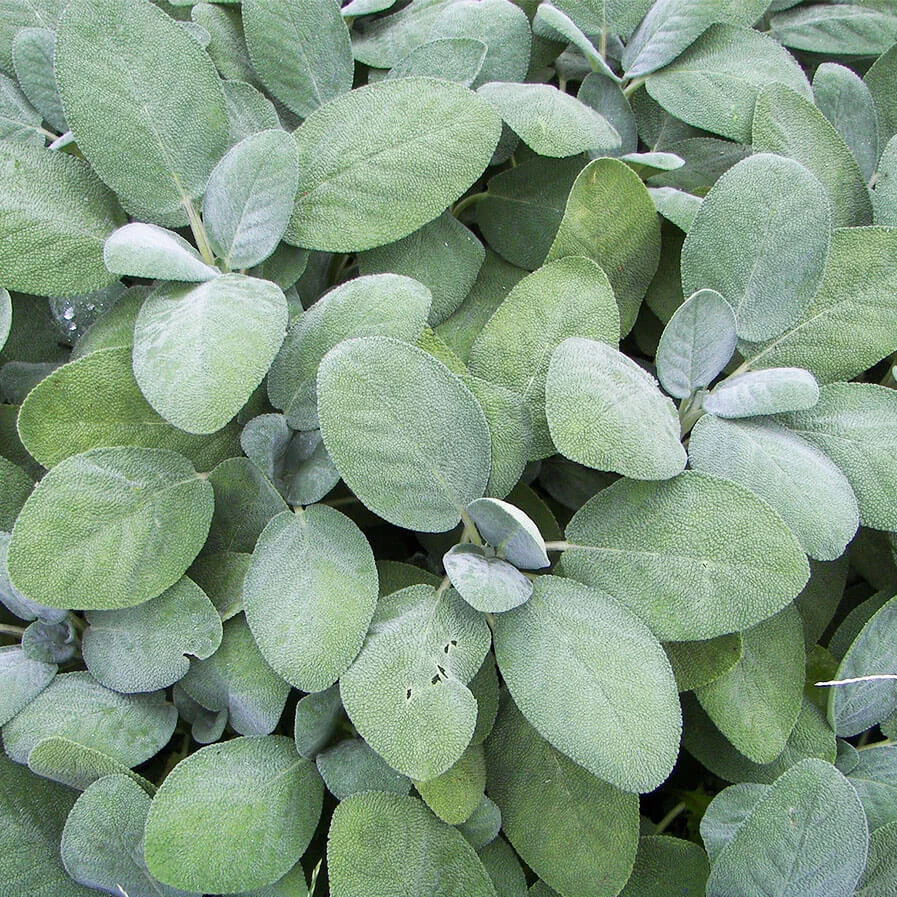
Bergartten sage
- Berggarten sage: This variety closely resembles common sage, with the notable difference being its lack of blooms. However, it still showcases the delightful soft, silvery green leaves.
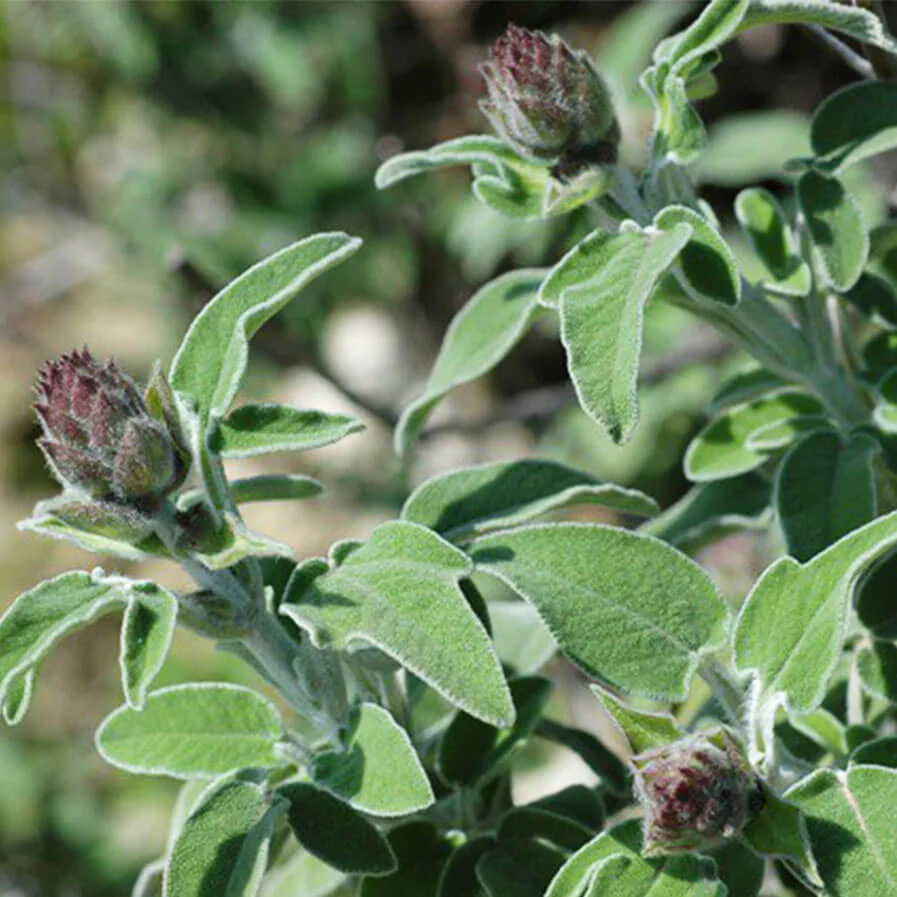
Salvia Fruticosa
Credit Character Hotels of Greece
- Greek sage (Salvia fruticosa): Originating from the Mediterranean region, this perennial has small, gray-green, aromatic leaves. It blooms with spikes of purple or pink flowers during the late spring and early summer
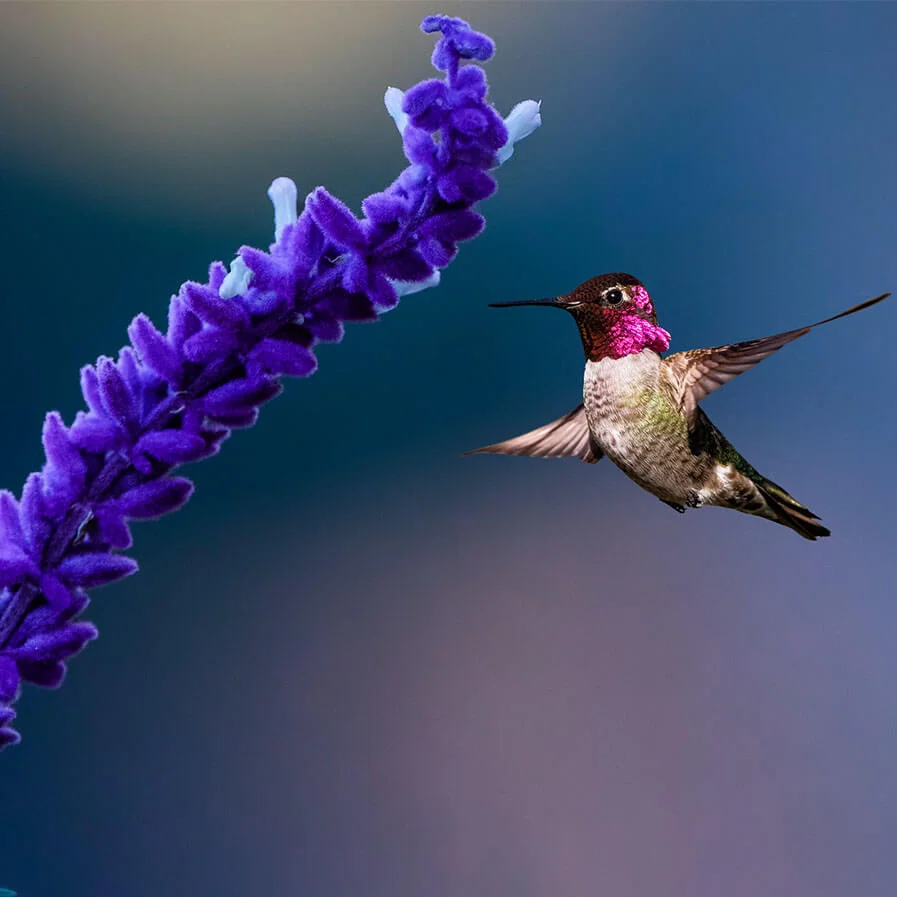
Salvia Leucantha – Mexican Bush Sage
- Mexican bush sage (Salvia leucantha): This perennial showcases spikes of purple or white flowers during the late summer and fall. It thrives even in drought conditions and is a magnet for hummingbirds and butterflies.
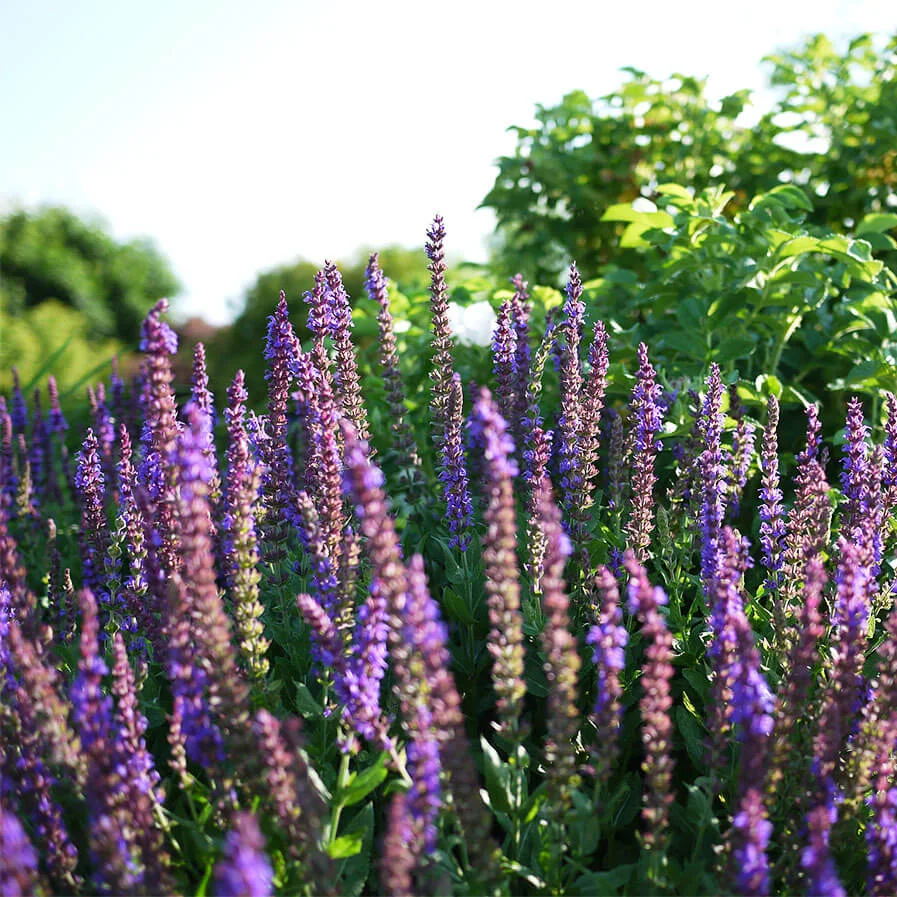
Salvia Nemerosa – Woodland Sage
- Woodland sage (Salvia nemerosa): This perennial blooms with spikes of blue, purple, or pink flowers from late spring to early summer. Resilient to drought, it lures pollinators to the garden.
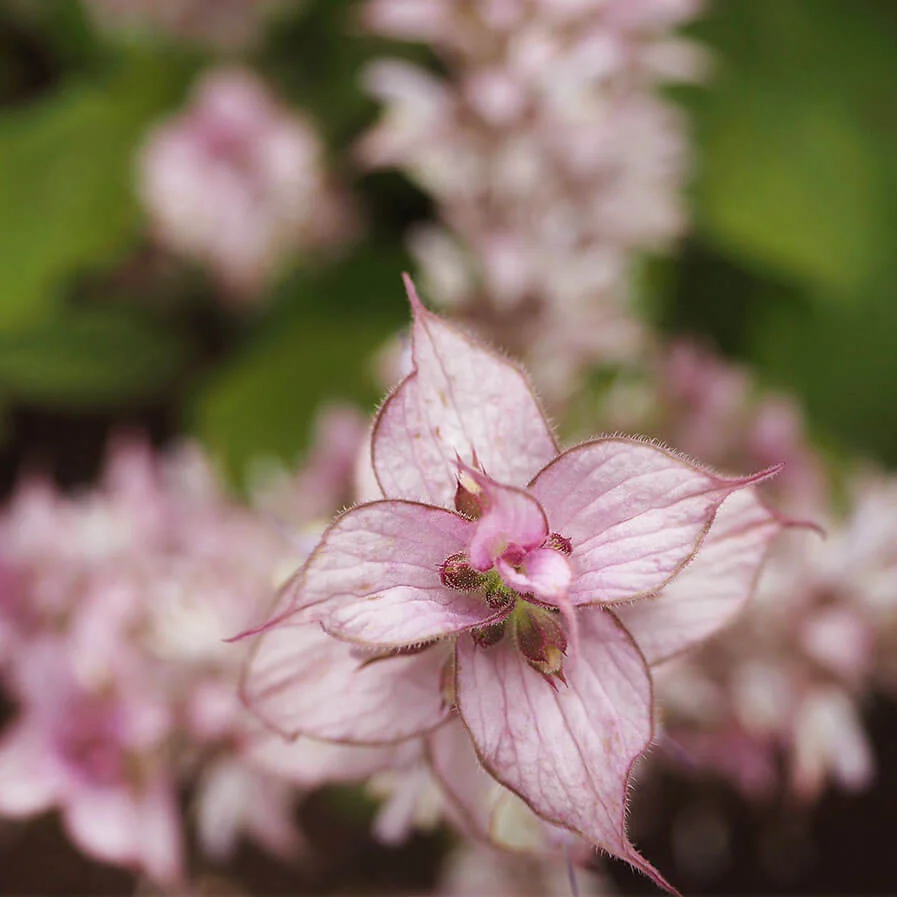
Clary Sage – Salvia Sclarea
- Clary sage (Salvia sclarea): Grown for its aromatic leaves and flowers, this biennial or brief-lived perennial boasts considerable gray-green, hairy leaves. It blooms with tall spikes of pink or purple flowers in mid-summer.
Essential Points for Growing the Best Sage
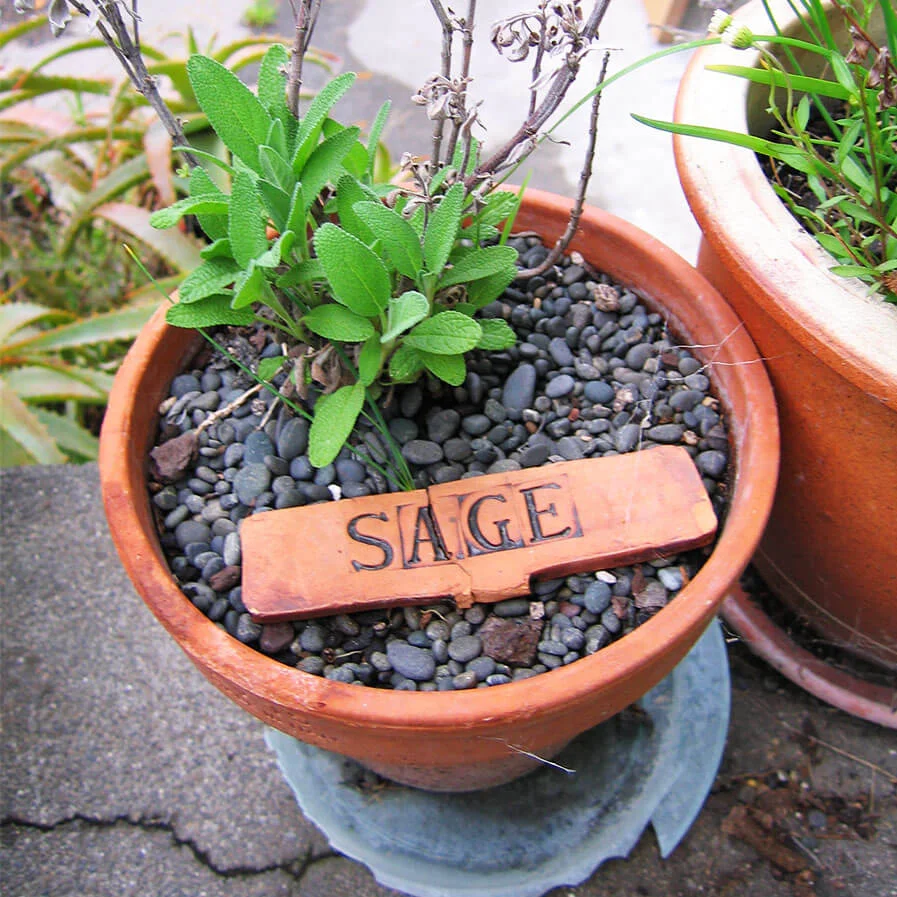
Potted Sage
Soil and Planting
- Plant sage in the cooler periods of spring or fall.
- Arrange sage plants with a spacing of 18 to 24 inches (up to 60 cm) in a sunny spot with nutrient-rich, well-draining soil with a pH between 6.5 and 7.0.
- To enrich a garden bed, mix a few inches of aged compost or another organic matter into your native soil.
- Sage flourishes in sandy, loamy soil that drains well, ideally with a pH ranging from 6.0 to 7.0.
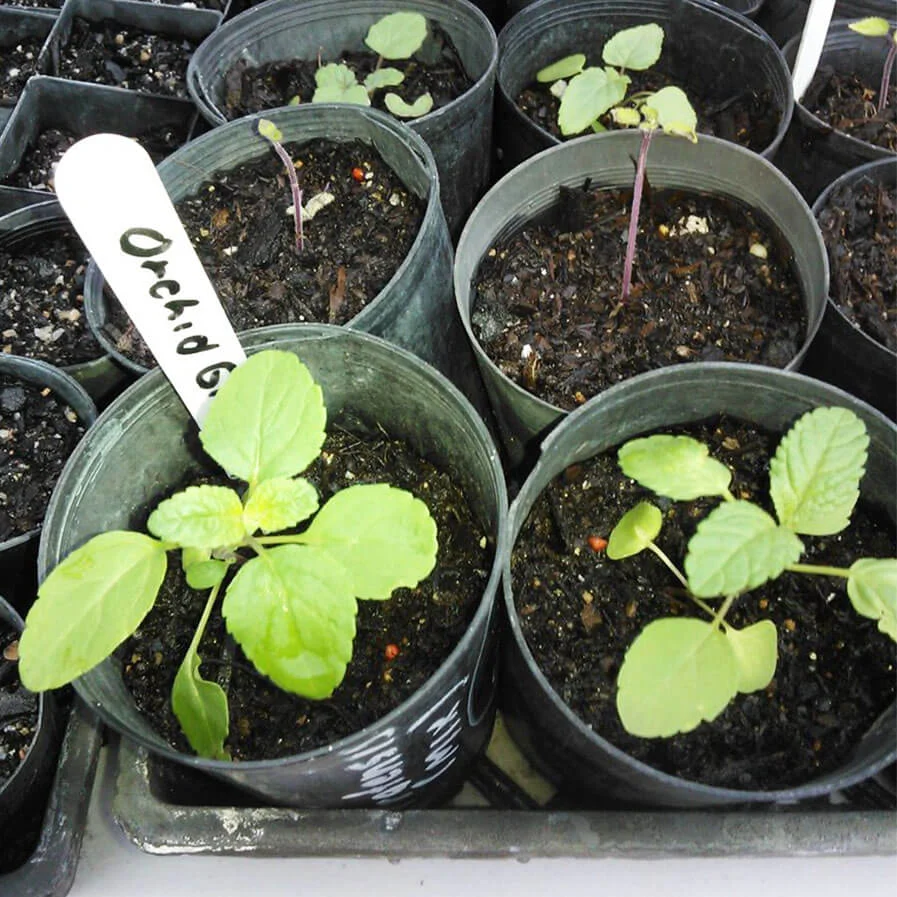
Salvia microphylla Seedlings of the Variety Orchid Glow
Soil and Planting
- Plant sage in the cooler periods of spring or fall.
- Arrange sage plants with a spacing of 18 to 24 inches (up to 60 cm) in a sunny spot with nutrient-rich, well-draining soil with a pH between 6.5 and 7.0.
- To enrich a garden bed, mix a few inches of aged compost or another organic matter into your native soil.
- Sage flourishes in sandy, loamy soil that drains well, ideally with a pH ranging from 6.0 to 7.0.
Lifespan
- Sage is a perennial that promises to grace your garden for one season and many years ahead.
- Sage is a resilient perennial for zones 5 to 8. Yet, in the more humid climates of zones 9 and beyond, sage typically lasts annually due to its struggle with intense heat and humidity.
- In perennial regions, go easy on harvesting sage during its first year. From the second year onwards, pick sage as required all year round. You can snip an entire stem or pluck individual leaves. To ensure fresh foliage matures properly, halt the harvest a couple of weeks before the anticipated first frost.
10 Points on How to Grow Sage from Seed
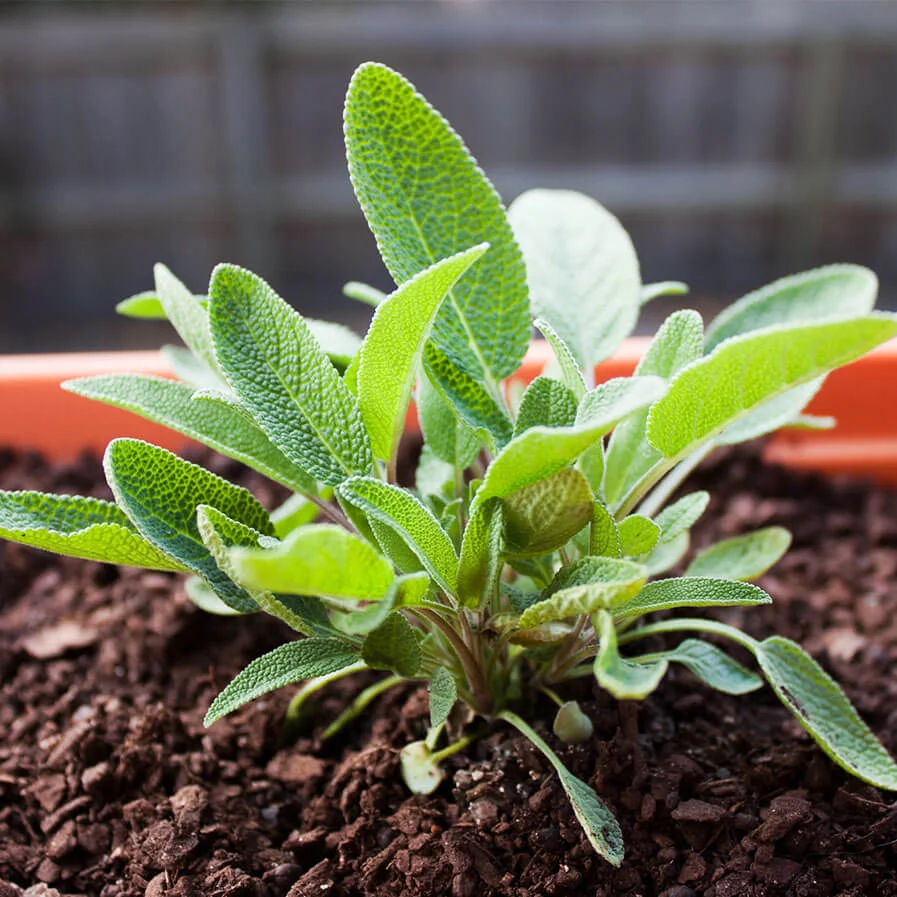
Sage
- Select a sage variety that aligns with your requirements and local climate.
- You can initiate seeds indoors 6 to 8 weeks before the last frost using plant lights or sow them outside after the final frost.
- Plant seeds 0.3 to 0.8 inch (1 cm) deep in either a seed starting mix or soil enriched with compost, ensuring good drainage.
- Maintain the soil’s moisture without overwatering. Use a clear plastic cover to prevent the seeds from drying.
- Sage seeds will sprout in 2 to 3 weeks, after which you can move the seedlings to your chosen soil.
- When seedlings reach about 4 inches (10 cm) in height and display two sets of genuine leaves, they’re ready for transplanting.
- Position sage plants with 18 to 24 inches (up to 60 cm) spacing in a sunny location that offers nutrient-rich, well-draining soil with a pH between 6.5 and 7.0.
- Once sage takes root, it generally demands little. Examine soil dampness every few days, watering when the top inch dries. Boost its growth by feeding it with a water-soluble plant food.
- Despite its drought resilience, sagging leaves on sage often rejuvenate with minimal watering.
- Being perennial, sage promises multiple seasons of growth in your garden, not just a fleeting appearance.
10 Points on How to Grow Sage from Cuttings
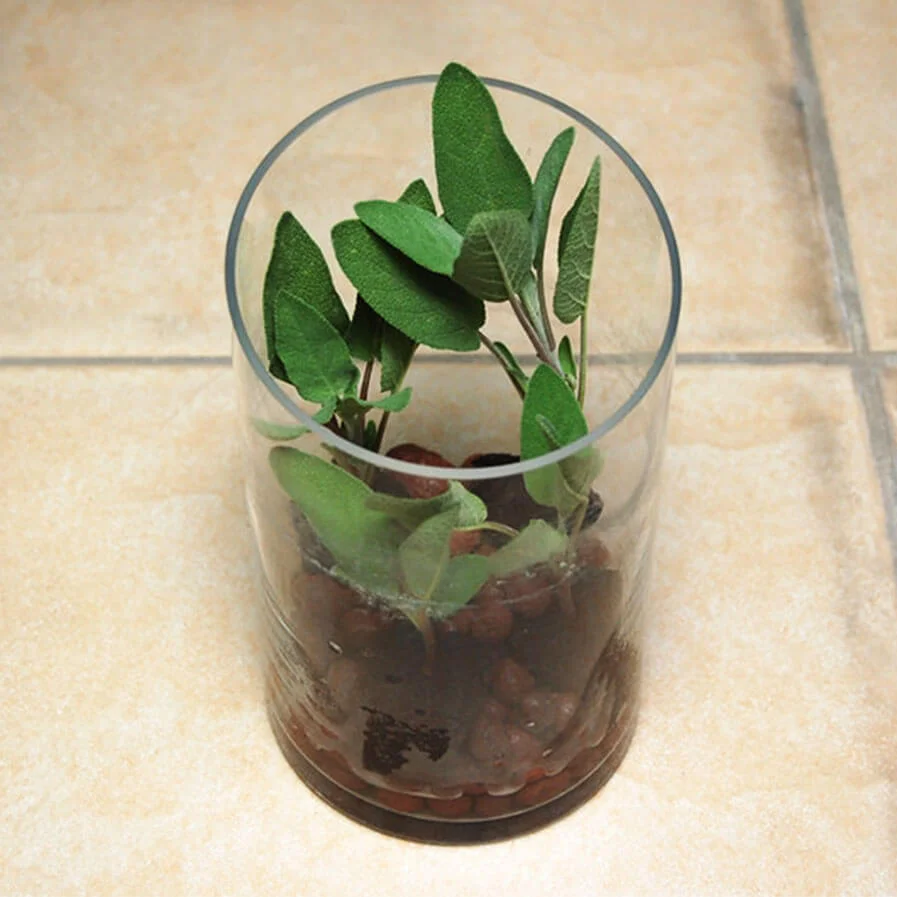
Sage Cuttings in water, day 1
- Snip a fresh 4 to 6-inch (10 to 15 cm) sage sprig from a mature plant, focusing on the softer, newer growth at the tips rather than the older, woodier parts near the base.
- Cut just beneath the bottom leaf set, then remove the leaves from the stem’s lower 2 to 3 inches (5 to 7 cm.)
- You can dip the freshly cut stem in rooting hormone for accelerated root development.
- Insert the sage stem into a water-filled glass or straight into soil that drains well.
- For the water method, refresh the water periodically. Within 3 to 4 weeks, roots should sprout from the stem.
- Transfer the sage cutting to the soil when the roots reach 2 inches (5 cm).
- After planting sage cuttings, allow another 3 to 4 weeks for the sage to root correctly and for fresh shoots to emerge.
- Once sage finds its footing, it’s relatively low-maintenance. Periodically check the soil’s wetness and water when the topmost inch feels dry. To optimize growth, nourish the plant consistently with a water-soluble fertilizer.
- Although sage stands up well to drought, droopy leaves often recover with a splash of water.
- Being a perennial plant, sage guarantees verdant growth in your garden year after year.
10 Points on How to Grow Sage in Water
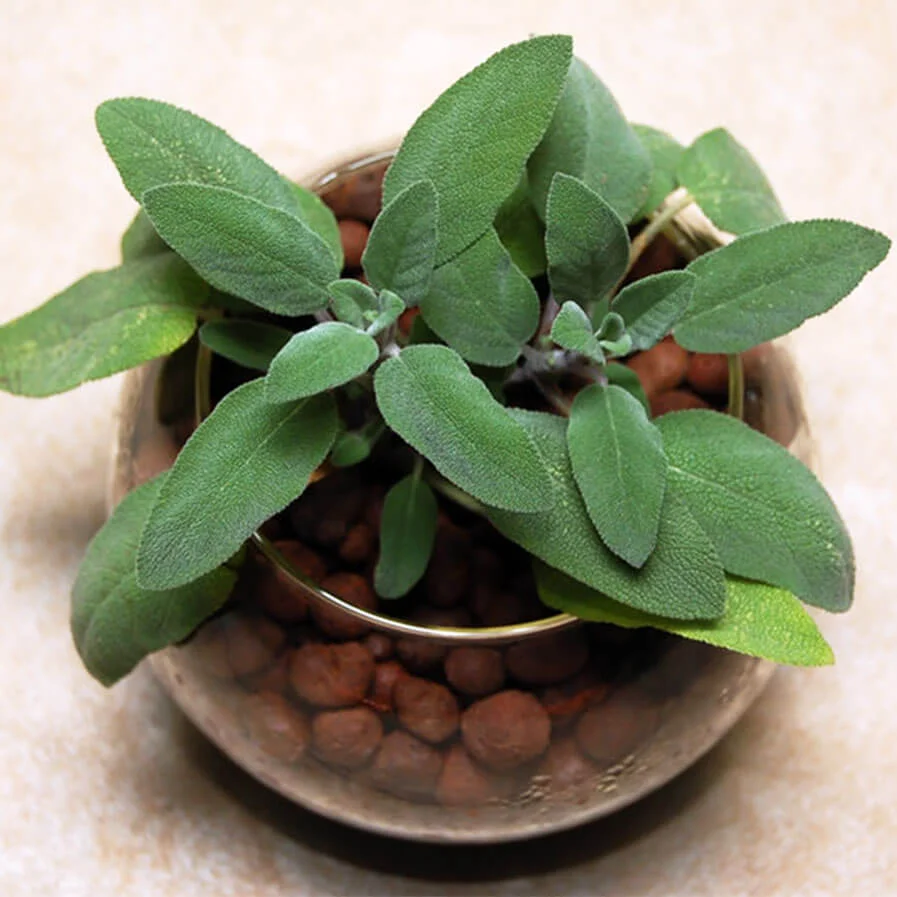
Sage in hydroton, day 41
- Growing sage using hydroponics offers a year-round supply of fresh herbs. It’s particularly beneficial if your outdoor space is limited or you reside in a climate that doesn’t favor outdoor sage cultivation.
- Pick a hydroponic setup that aligns with your space and requirements.
- Maintain a steady pH between 5.5 and 6.0 in your hydroponic solution for sage’s optimal growth.
- Keep the hydroponic lights on for 14-16 hours daily to ensure that sage receives ample illumination. This extended light duration aids its growth rate due to its slow-growing nature.
- Several hydroponic systems, such as deep water culture, nutrient film technique, and drip irrigation, support sage growth.
- A nutrient-rich solution, predominantly with high nitrogen, potassium, and phosphorus levels, is best for Sage.
- You can grow sage hydroponically, either from seeds or cuttings.
- Regularly checking the pH and nutrient concentration of the solution is crucial when cultivating sage hydroponically.
- Once sage plants settle in, they’re low-maintenance. Keep an eye on the hydroponic solution and replenish it when necessary.
- As a perennial, sage promises consistent growth in your hydroponic system, not just for a season but for years ahead.
Is Sage safe for pets?
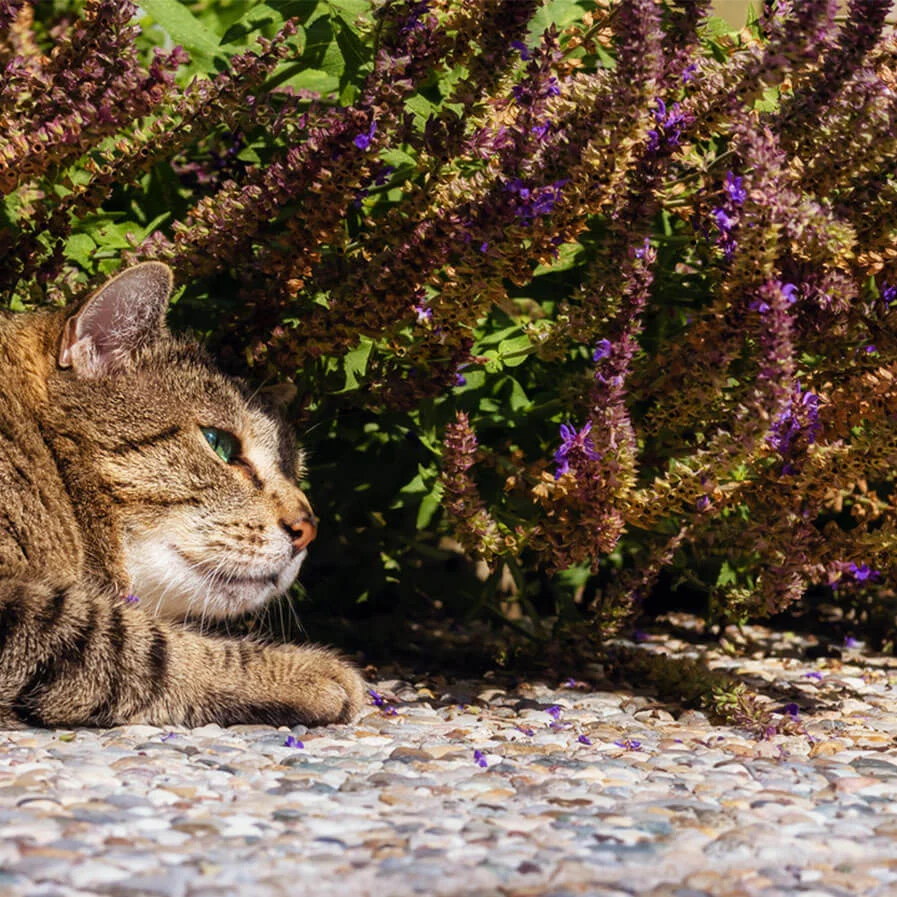
Cat under sage
Yes, sage is generally safe for pets, including dogs and cats, when consumed in small amounts.
The American Society for the Prevention of Cruelty to Animals, or ASPCA states that sage is non-toxic to dogs, cats, and horses. However, the organization recommends moderation, as consuming large amounts can still cause digestive upset.
Here are some guidelines based on the ASPCA’s recommendations:
- Non-Toxic: Sage is safe for pets, meaning it does not contain harmful substances that would poison them.
- Moderation: Small quantities are acceptable, but avoid letting pets consume large amounts to prevent potential gastrointestinal issues.
- Monitor: Always monitor your pets to ensure they don’t overeat sage or any other plants in your garden.
For the most accurate and detailed advice tailored to your pet’s specific needs, consult with your veterinarian for any specific health concerns.
7 Common Mistakes When Growing Sage
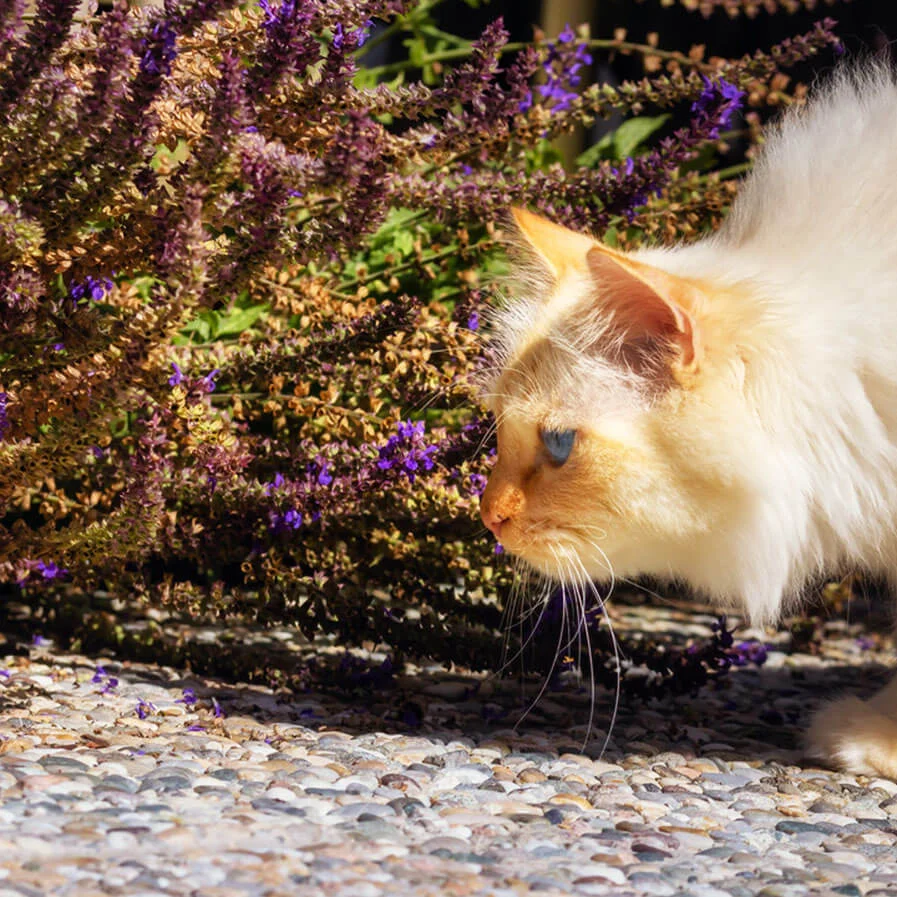
Cat under sage
- Overwatering: Sage withstands drought conditions and doesn’t need water often. Overwatering may lead to root rot and increase the risk of fungal diseases.
- Poor drainage: Sage flourishes in soil that drains well. Insufficient drainage might result in water accumulation and subsequent root decay.
- Lack of sunlight: Sage needs ample sunlight for robust growth and to yield aromatic leaves. Poor light can cause stretched stems and reduced leaf generation.
- Crowding: Sage plants require a lot of room to expand and spread. Overcrowding them can hinder airflow, elevating the risk of fungal infections.
- Not pruning: Regular pruning enhances sage plants by encouraging denser growth and warding off woody stems. Failing to trim them can result in stretched stems and fewer leaves.
- Not harvesting: Consistently harvesting sage leaves stimulates fresh growth and keeps the plant from turning overly woody. The plant might produce fewer leaves and lose its rich flavor if not harvested.
- Growing the wrong variety: Various sage varieties have distinct growth needs and flavor characteristics. Ensure you pick a type that aligns with your region’s conditions and intended purpose.
Is Pruning Sage Necessary?
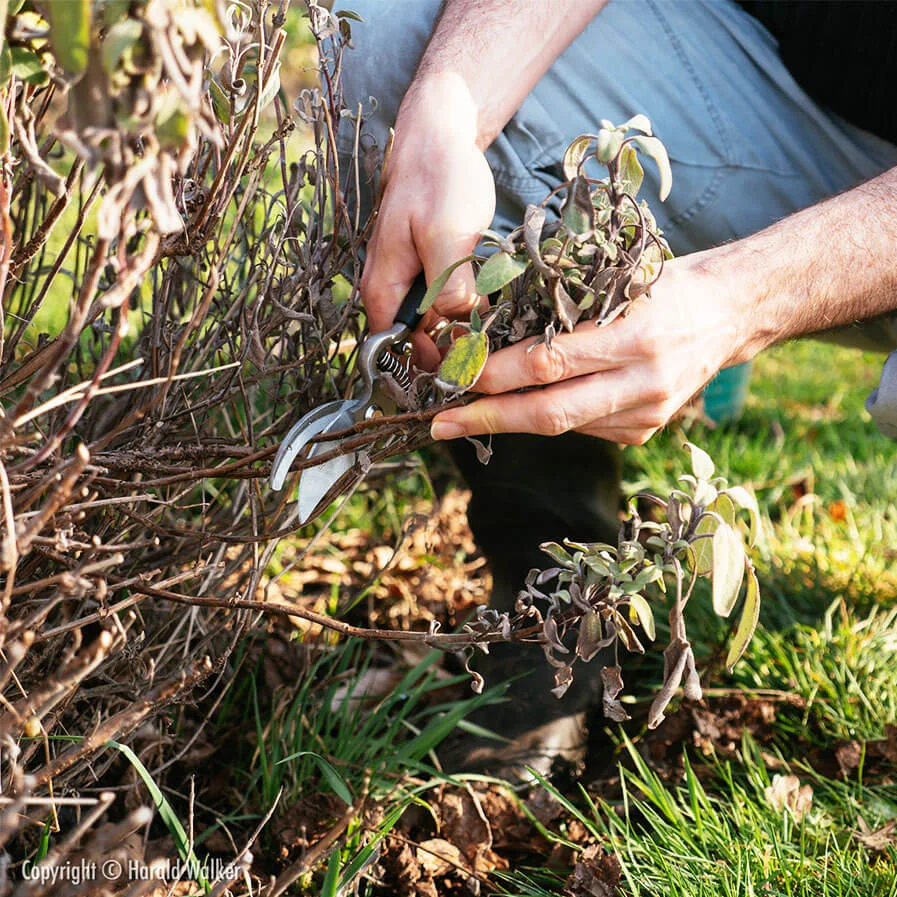
Pruning Sage Plants in Early Spring
Yes, sage needs pruning to maintain healthy growth and to stop it from turning overly woody. Avoid these common pruning errors:
- Excessive Pruning: Cutting back too much at once can shock the plant and diminish its leaf production. Aim to prune gradually, taking off no more than a third of the sage.
- Wrong Timing: Sage is ideal for pruning in spring when temperatures rise. Pruning during the colder months exposes the plant to potential cold damage and diseases like grey mold.
- Delayed Pruning: If you prune too late in the season, the plant may struggle to sprout new growth and leaves.
- Under-pruning: Failing to prune sage can lead to elongated growth and fewer leaves.
- Trimming Near the Base: Cutting too closely to the plant’s base can harm the stem and stifle new growth.
- Unsanitized Tools: Always clean your pruning tools before use to halt disease transmission.
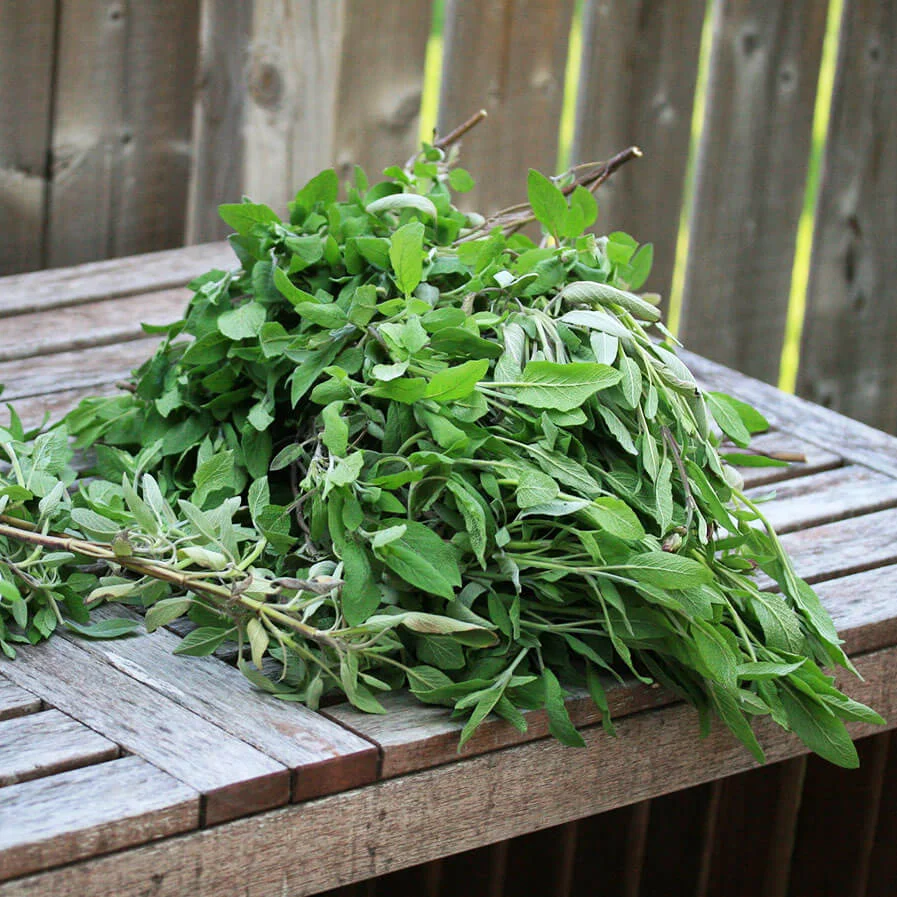
Cut Sage
When to Prune Sage
Prune sage in the spring once temperatures start to climb. Cutting back sage in the latter part of autumn or during winter exposes it to cold, moisture, and potential diseases like grey mold. Here’s your guide to pruning sage effectively:
- First-Year Caution: In the initial year, prune sparingly. Over-trimming can harm young sage plants. Concentrate on removing only damaged or withered leaves during this time.
- Use the Right Tools: Employ sanitized, sharp gardening shears or scissors. Aim to snip stems so they remain from 4 to a maximum of 6 inches (or 10 to 15 cm) off the ground.
- Year-round Attention: Throughout the year, keep an eye out for and remove leaves that are yellowing or drooping.
- Encourage Fullness: Trim a bit closer to the base for a bushier plant. This trimming promotes lateral growth, making fuller sage plants ideal for gardens and kitchen containers.
- Choose Optimal Weather: Prune on a dry day with minimal wind.
- Avoid Woody Stems: Avoid cutting into the woody sections below fresh shoots. Though sage might recover from such a trim, the resulting growth often appears sluggish and frail.
Can You Prune Sage Excessively?
Indeed, trimming sage is essential for fostering vibrant growth and keeping the plant from turning overly woody. However, excessive pruning can harm the plant.
Here is a recap of the 10 tips to Grow the Best Sage Now
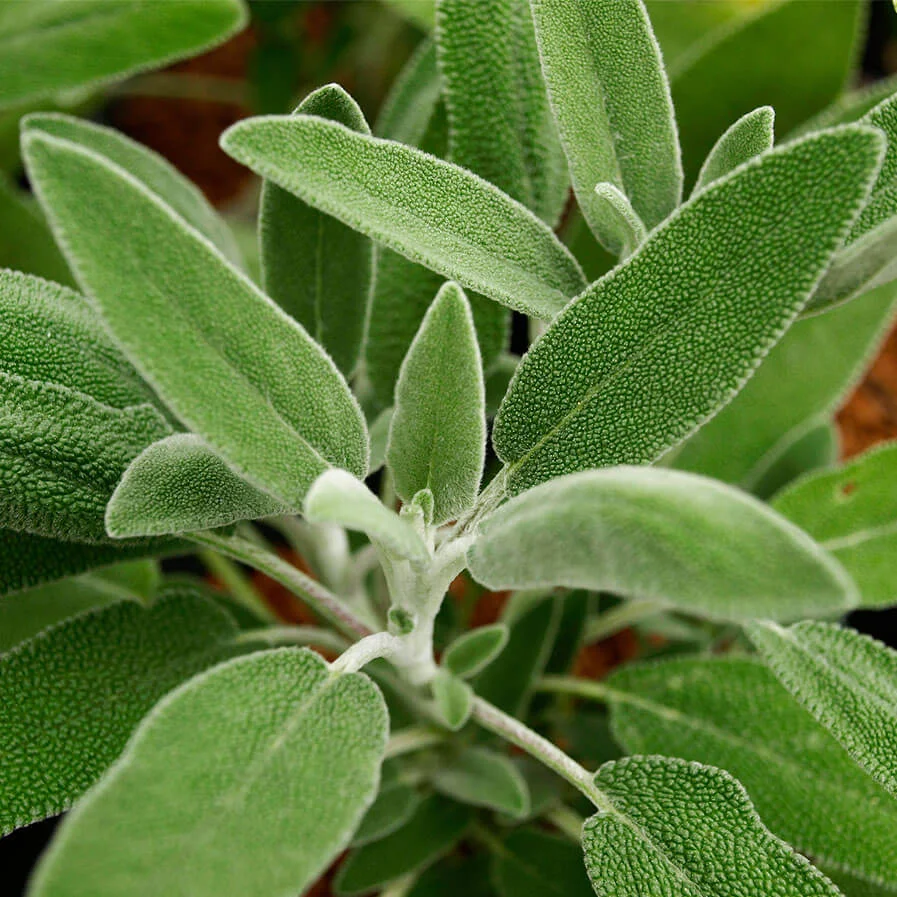
Salvia Fruticosa
- Plant sage in the temperate periods of spring or autumn.
- Arrange sage 18 to 24 inches (45 to 61 cm) apart in a sunny location with nutrient-dense, well-draining soil, aiming for a pH between 6.5 and 7.0.
- When planting in garden beds, boost your soil by blending in several inches of aged compost or a similar top-grade organic material.
- Monitor the soil’s dampness every few days, watering when the topmost inch feels dry.
- Regularly nourish the plant with a water-soluble fertilizer to optimize growth.
- Though sage handles drought well, drooping leaves often recover with a splash of water.
- Being perennial, sage ensures multiple seasons of growth in your garden.
- In spring, trim sage to support healthy growth and keep the plant from turning overly woody once temperatures rise.
- Throughout the year, pick sage leaves as required. Pluck a few leaves off each stem, aiding continuous growth and further leaf production.
- Sage offers diverse planting options, from seeds to cuttings to root divisions. Layering is also a propagation method.
Troubleshooting Sage: Growing Problems, Pests, and Diseases.
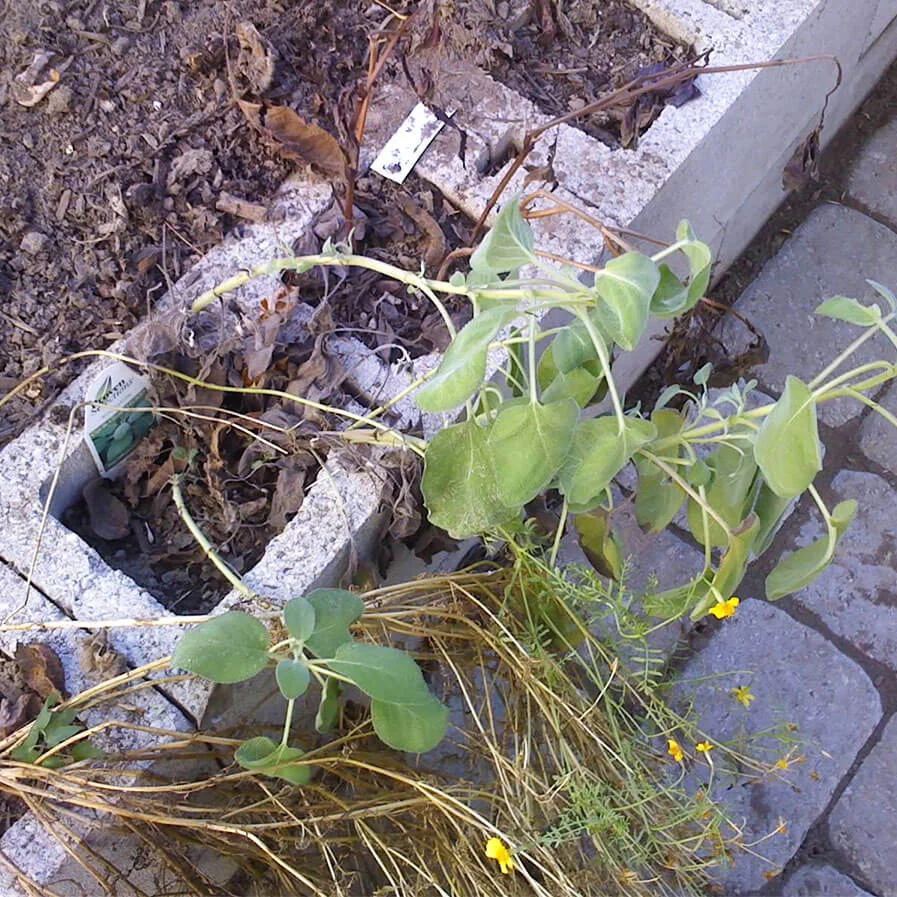
Leggy Sage
Poor flowering: Inadequate sunlight, excessive fertilization, or incorrectly timed pruning can lead to subpar flowering.
Root rot: Overwatering or insufficient drainage can lead to root rot. To safeguard against it, ensure the soil drains effectively and refrain from giving the plant too much water.
Fungal issues: Overwatering or inadequate airflow can lead to fungal problems. To prevent them, ensure the soil drains well and maintain good air circulation around the plant.
Frost or winter damage: Planting sage in overly cold regions or not shielding it from frost can result in frost or winter injuries. Place sage in a warm, dry, and sheltered spot to avoid such damage.
Wilting leaves, yellowing, and stunted growth: Problems might arise from too damp or water-saturated conditions. To sidestep these complications, ensure the soil offers good drainage and avoid excessive watering.
Pests: Sage can be a victim of pests like thrips, Japanese beetles, and caterpillars. To prevent pests, maintain cleanliness by keeping the sage’s surroundings free from debris. Use insecticidal soap or other organic solutions to manage these pests.
Diseases: Sage can be susceptible to seedling damping-off, stem and root decays, and grey mold. To ward off these diseases, ensure the soil drains effectively and avoid overwatering. Eliminate diseased plants and rhizomes to curb further spreading.
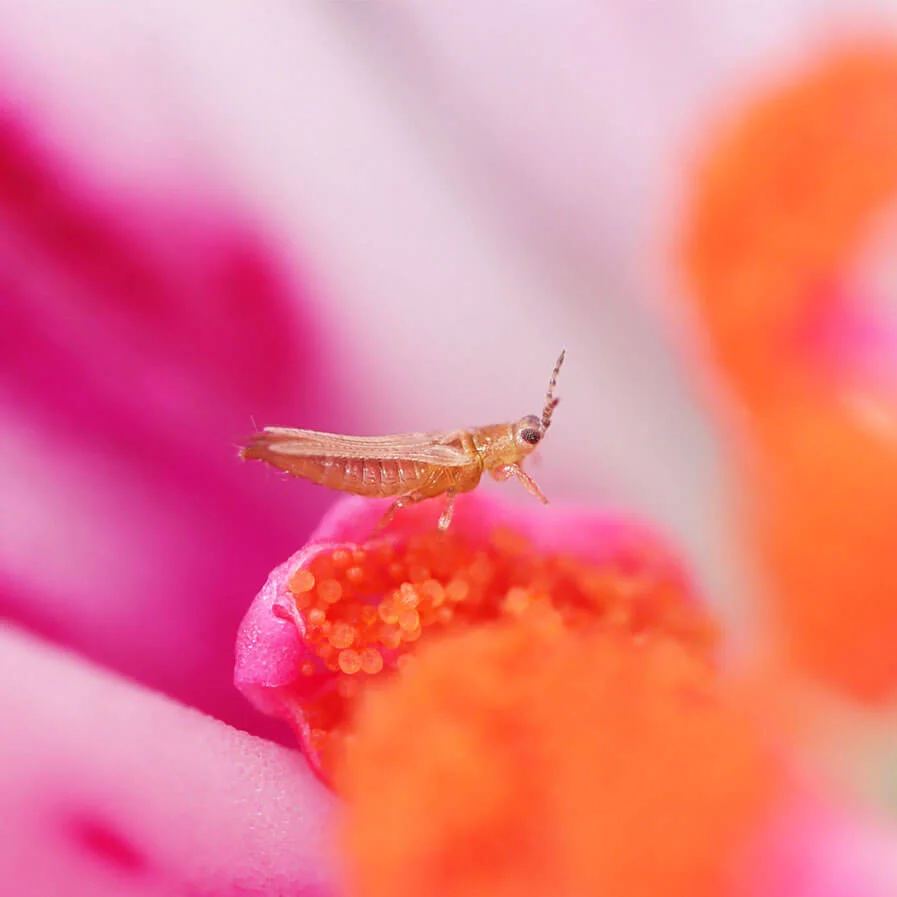
Thrips in Geranium
Other Problems you might run into when growing Sage
Leggy growth: Stretched stems or “leggy” growth in plants often result from insufficient sunlight or infrequent pruning. To counteract this, ensure the plant receives ample sunlight and maintain regular pruning sessions.
Over-fertilization: Excessive fertilization can lead to a surplus of nitrogen, potentially overwhelming the plant and negatively impacting its leaves. Symptoms to watch for include soft leaves that become limp or wilt quickly.
Pot size: Sage plants might become too large for their containers, leading to wilting and potential decline. Ensure the pot accommodates the plant’s size and features drainage holes at the bottom.
10 Great Plants to Place next to Sage
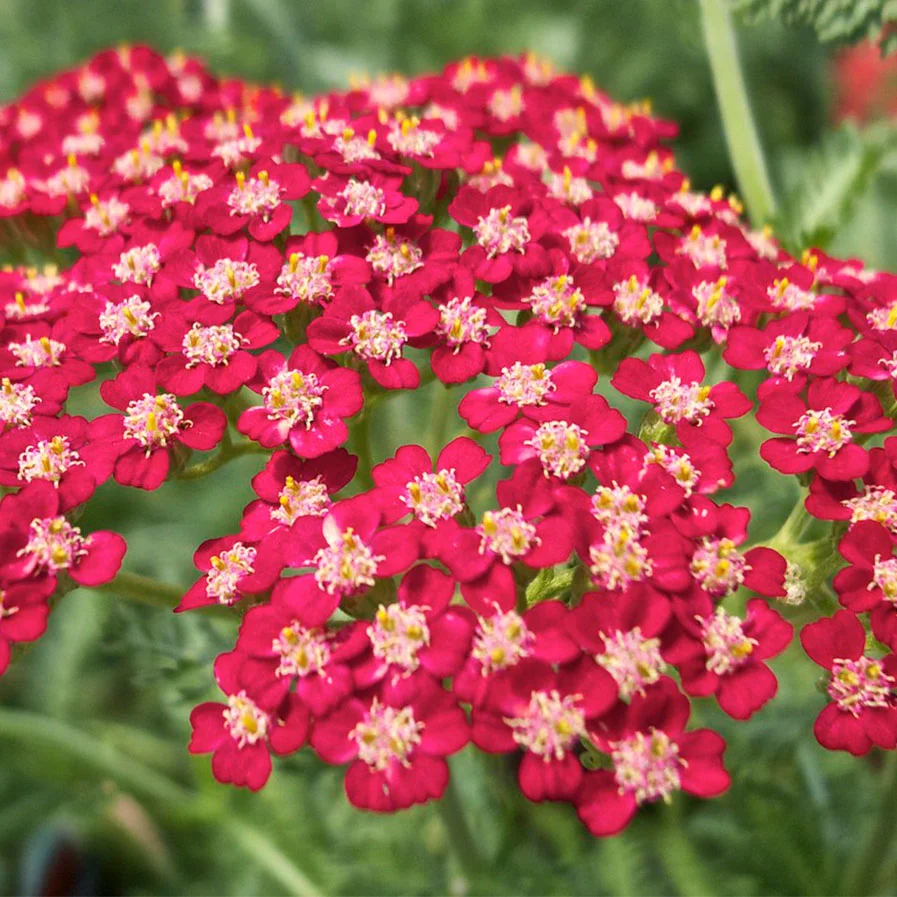
Yarrow
Yarrow (Achillea millefolium)
Known for its hardiness and attractive flowers, yarrow complements sage both aesthetically and in terms of growing conditions.
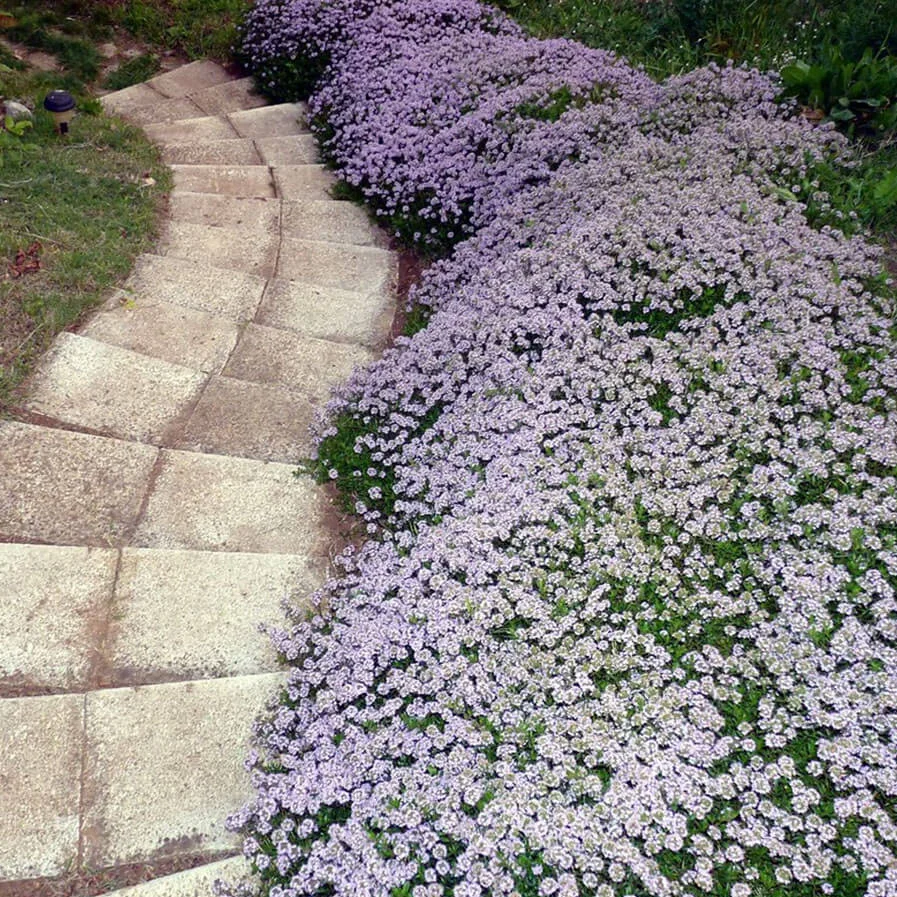
Thyme Hedge
Thyme (Thymus vulgaris)
Thyme and Rosemary are both members of the Lamiaceae family and have similar growing requirements. Thyme can also help repel pests and attract pollinators to your garden.
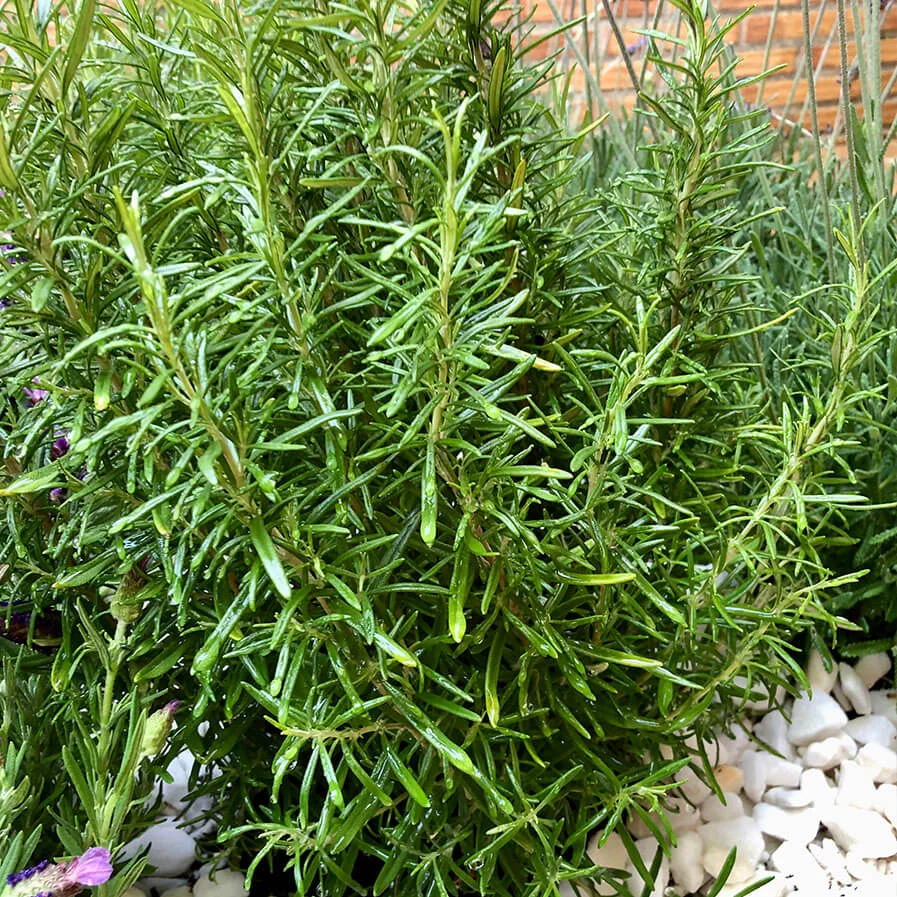
Rosemary
Credit Alberto Conde, Kitchen in the Med
Rosemary (Salvia Officinalis)
This herb has similar water and sunlight needs, making it a perfect companion for sage.
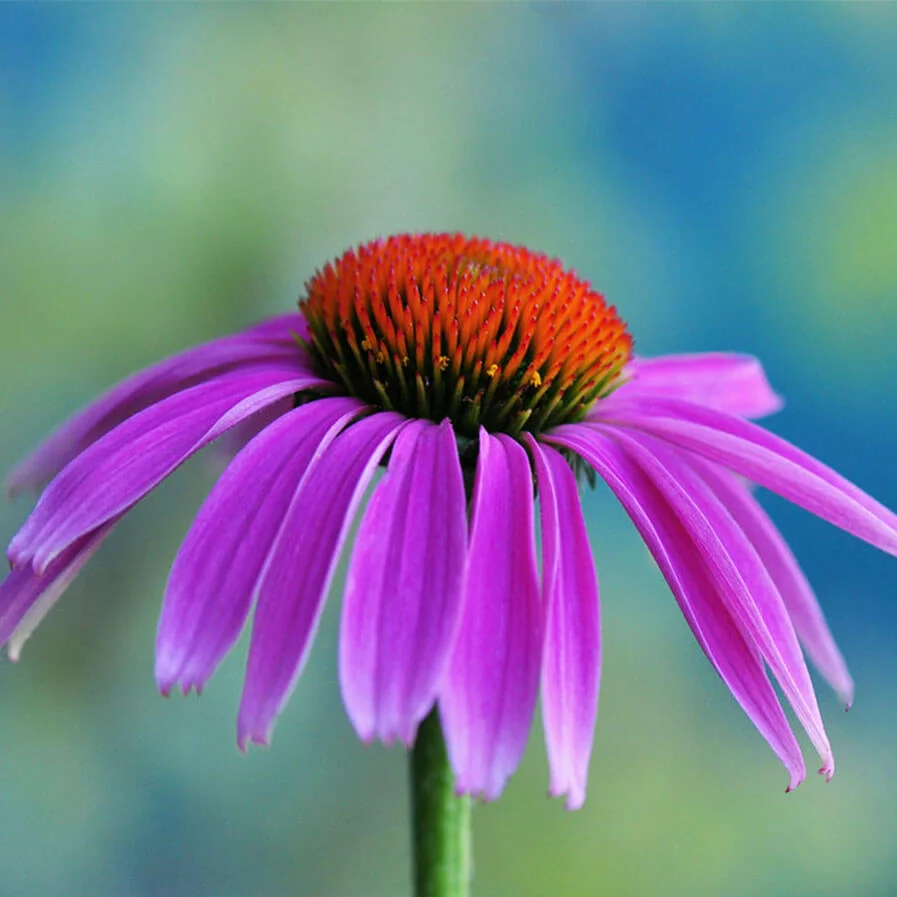
Purple Coneflower – Echinacea Purpurea
Echinacea (Echinacea purpurea)
This vibrant flower attracts pollinators and looks stunning next to sage.
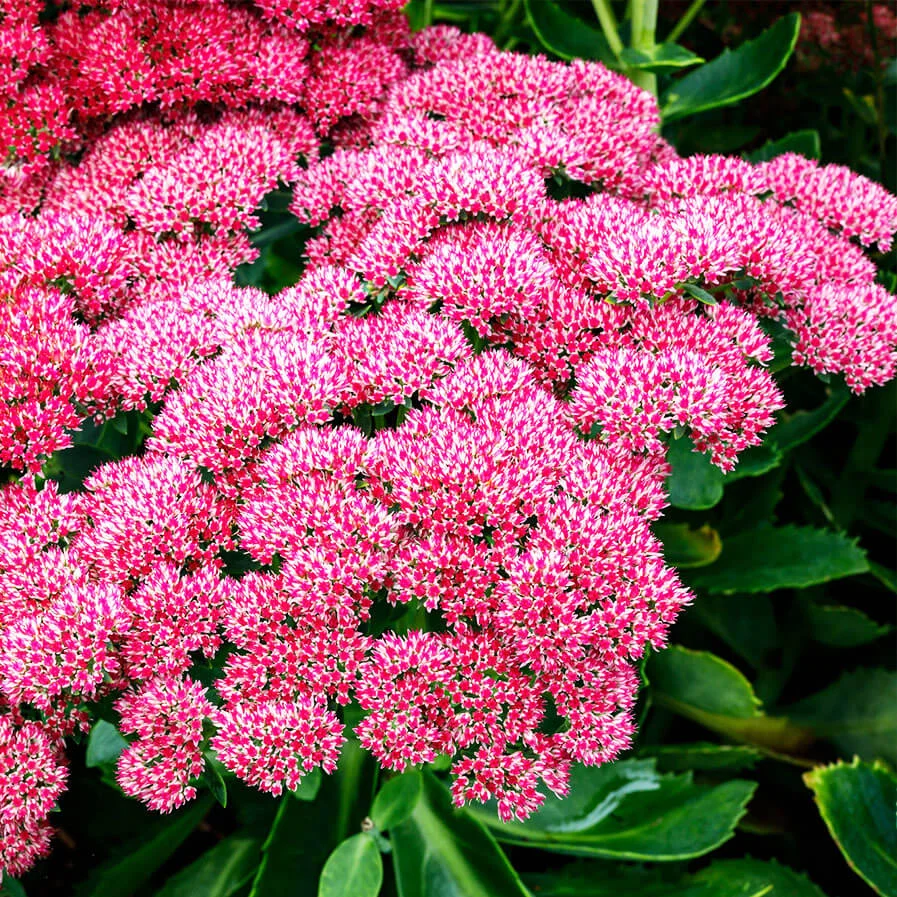
Sedum
Sedum (Sedum spp.)
With its drought tolerance and varied foliage, sedum adds visual interest and thrives alongside sage.
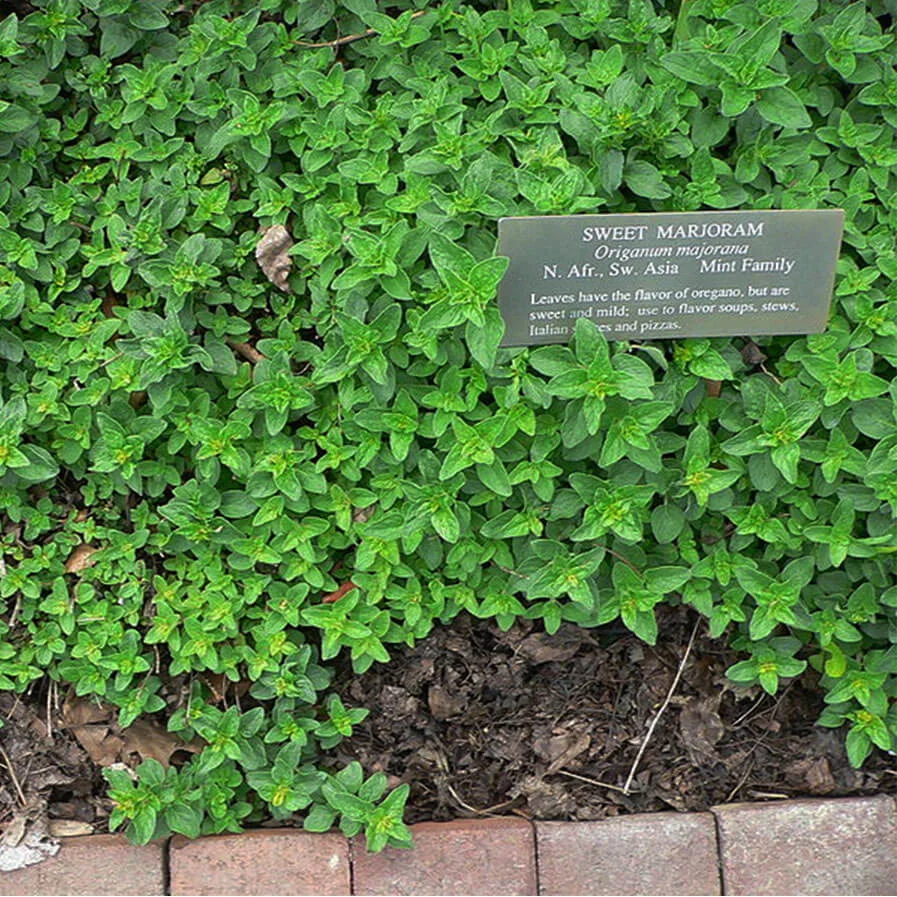
Sweet Marjoram
Marjoram (Origanum majorana)
Marjoram is similar to oregano, with comparable growing needs. It can also help deter pests and attract beneficial insects to your garden.
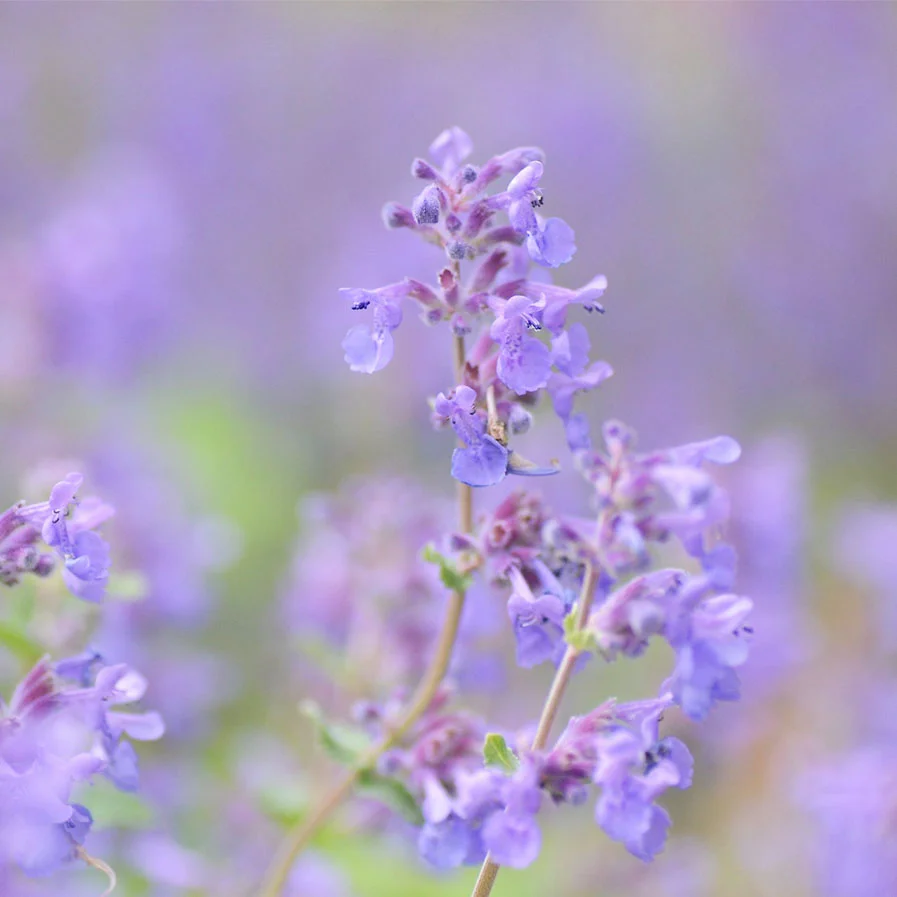
Catmint
Catmint (Nepeta x faassenii)
This hardy perennial has a similar growth habit and pairs well with sage in border plantings.
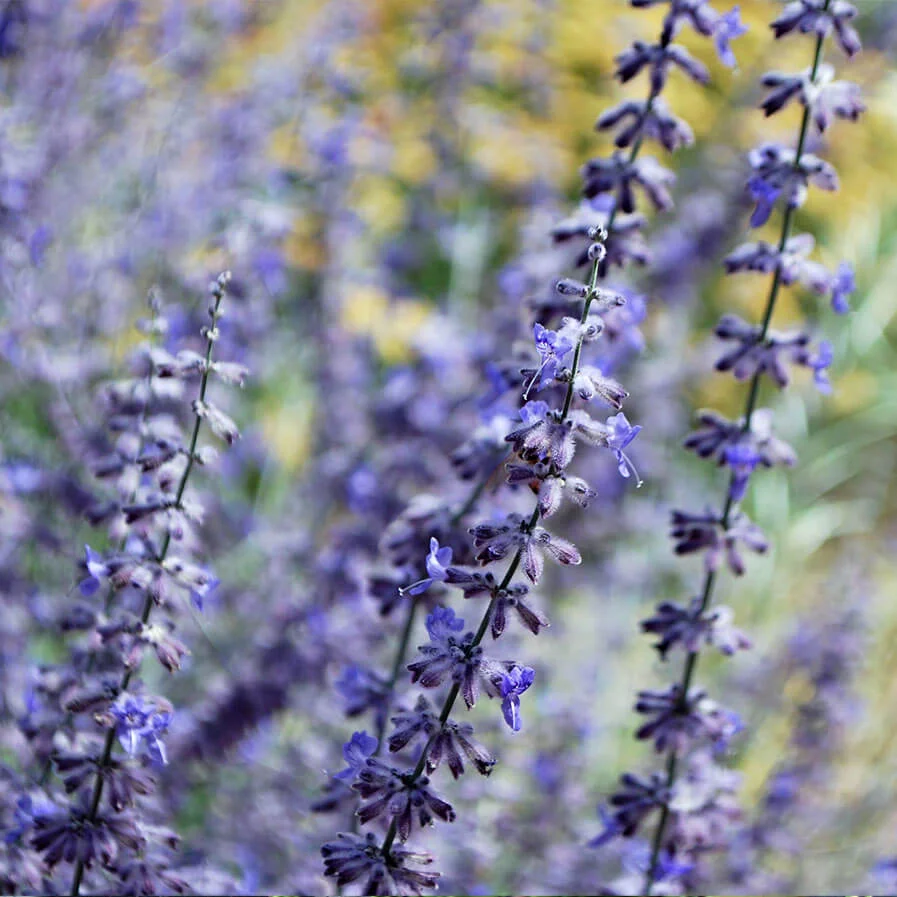
Russian Sage
Russian Sage (Perovskia atriplicifolia)
Although not a true sage, it complements Salvia officinalis well with its tall, spiky blue flowers and silvery foliage.
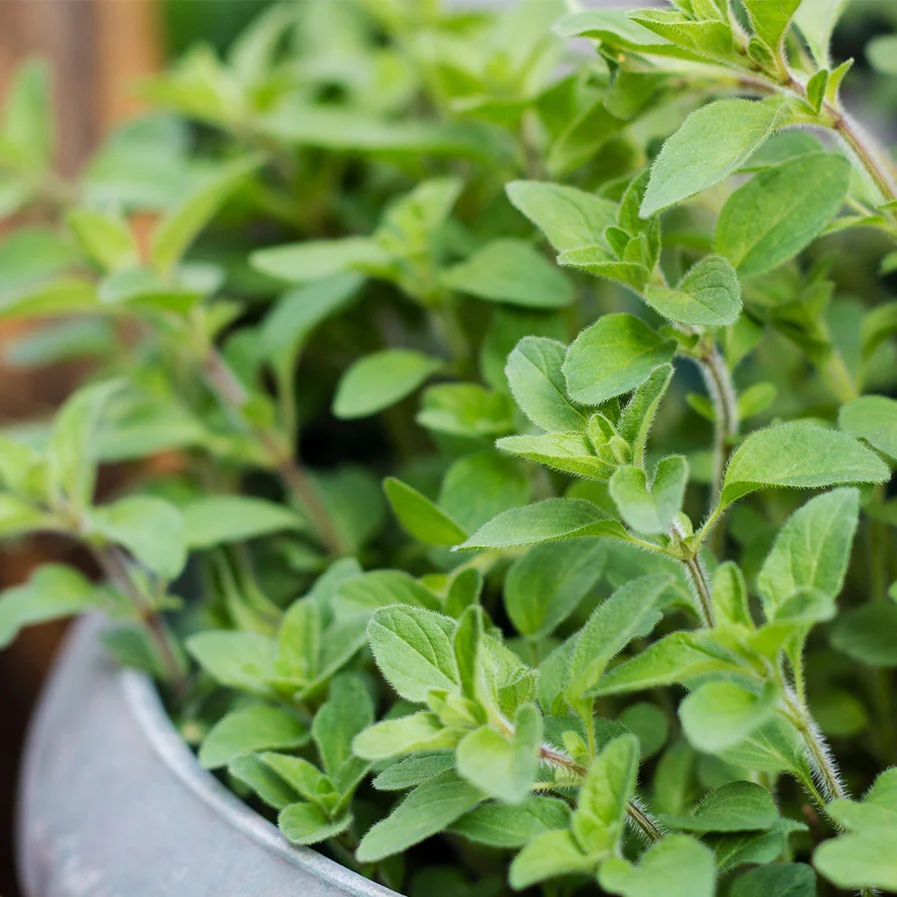
Oregano
Oregano (Origanum vulgare)
Oregano is another member of the Lamiaceae family and has similar growing requirements to rosemary. It can also help repel pests and attract beneficial insects to your garden.
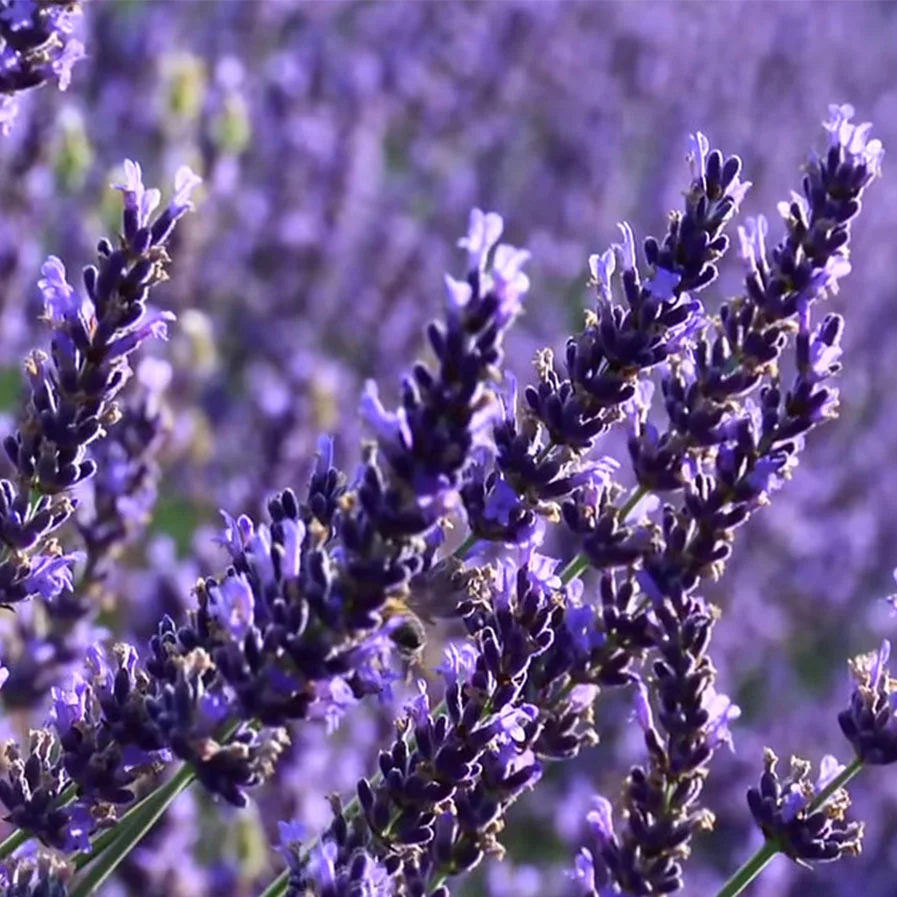
Lavender
Lavender (Lavandula angustifolia)
Rosemary and Lavender are members of the Lamiaceae family and have similar growing requirements. Lavender can also help repel pests and attract pollinators to your garden.
10 plants to avoid planting next to sage
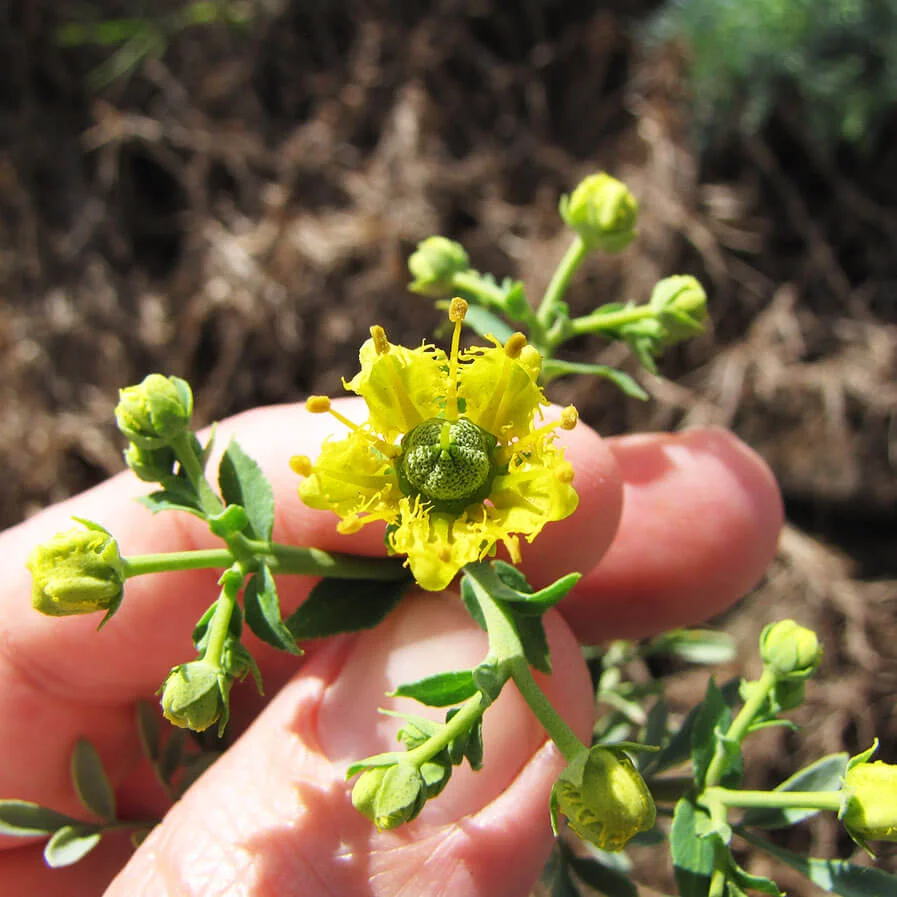
Ruta Graveolens – Rue
- Basil (Ocimum basilicum): Basil prefers more water and slightly shadier conditions compared to sage.
- Cucumbers (Cucumis sativus): Cucumbers need more water and richer soil than sage, making them incompatible companions.
- Rue (Ruta graveolens): Rue and sage can inhibit each other’s growth due to chemical interactions.
- Mint (Mentha spp.): Mint’s aggressive growth can overwhelm sage, competing for space and nutrients.
- Chives (Allium schoenoprasum): Chives prefer more moisture and richer soil, which can conflict with sage’s needs.
- Fennel (Foeniculum vulgare): Fennel can inhibit the growth of many plants, including sage, due to its allelopathic properties.
- Onions (Allium cepa): Onions need more water and different soil conditions compared to sage.
- Coriander (Coriandrum sativum): Coriander prefers cooler conditions and more moisture than sage.
- Potatoes (Solanum tuberosum): Potatoes require more water and can attract pests that may also harm sage.
- Tomatoes (Solanum lycopersicum): Tomatoes have high water and nutrient needs, which can overshadow the requirements of sage.
Other plants similar to Sage
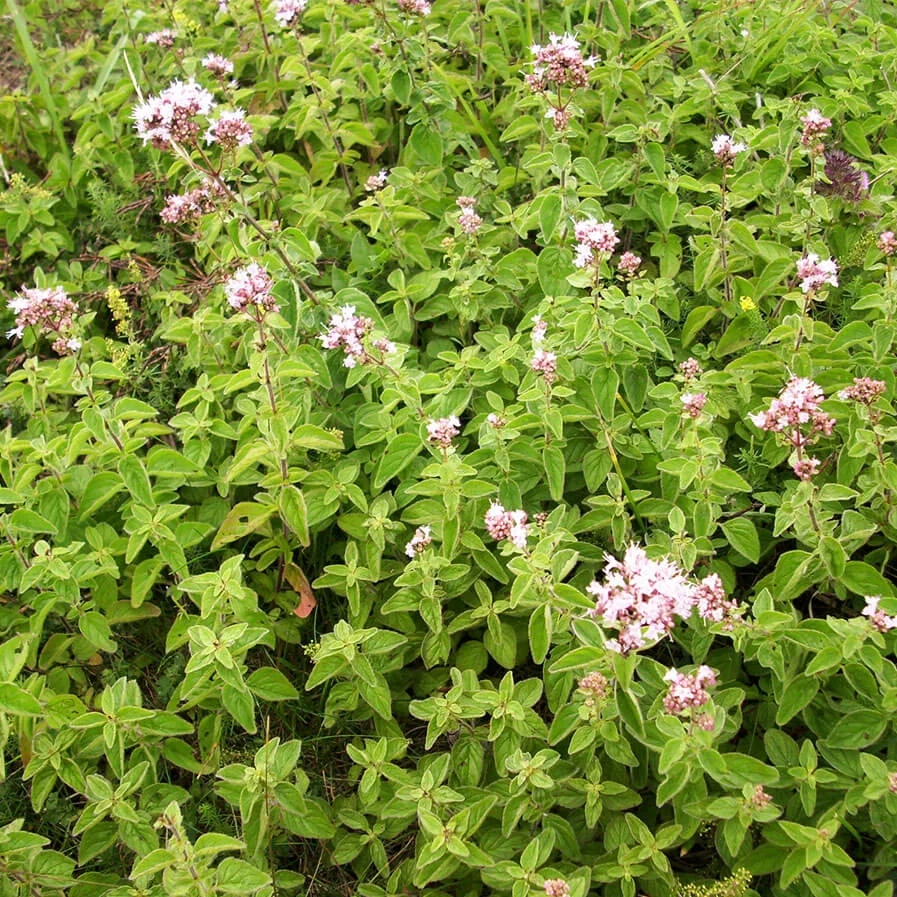
Wild Marjoram
These plants share many of sage’s characteristics, making them excellent choices for creating cohesive, low-maintenance gardens.
- Rosemary (Salvia rosmarinus): Similar in appearance and care needs, rosemary offers aromatic foliage and thrives in similar conditions.
- Thyme (Thymus vulgaris): With a low-growing habit and drought tolerance, thyme complements sage in herb gardens.
- Oregano (Origanum vulgare): Oregano shares similar growing conditions and provides fragrant, flavorful leaves.
- Lavender (Lavandula angustifolia): Lavender’s silvery foliage and fragrant flowers make it a great companion for sage in Mediterranean-style gardens.
- Marjoram (Origanum majorana): This herb is similar in appearance and care needs to sage, with a slightly sweeter fragrance.
- Russian Sage (Perovskia atriplicifolia): Though not a true sage, it features similar silvery foliage and spiky blue flowers.
- Catmint (Nepeta x faassenii): This hardy perennial has similar care requirements and pairs well with sage in border plantings.
- Greek Mountain Tea (Sideritis syriaca): Similar in appearance to sage, it thrives in dry, sunny conditions and has medicinal uses.
- Hyssop (Hyssopus officinalis): With its aromatic leaves and spikes of blue flowers, hyssop is another herb that complements sage.
- Santolina (Santolina chamaecyparissus): Known as lavender cotton, this plant has similar silvery foliage and thrives in dry, sunny conditions.
Sage, compared to other popular herbs
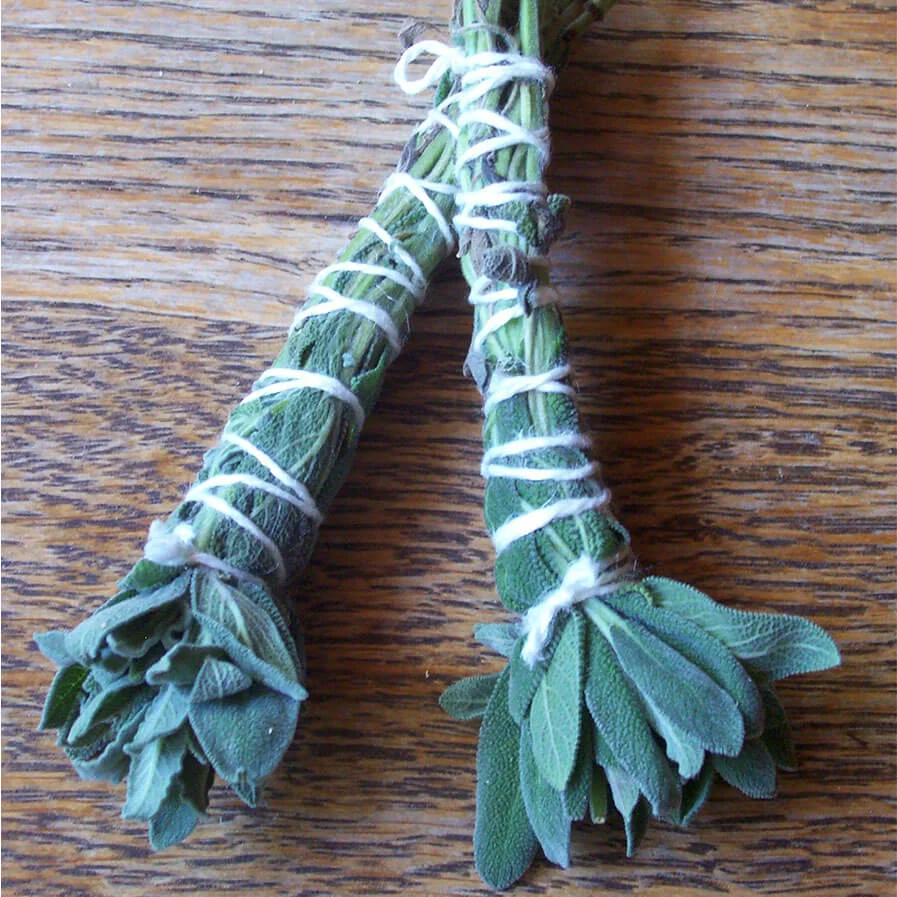
Sage Wands
Sage
- Growing conditions: Sage likes full sun and well-draining soil, and it’s drought tolerant.
- Characteristics: Sage has an earthy, peppery, and savory taste with fuzzy gray-green leaves. People use it in stuffing, poultry dishes, sauces, and roasted vegetables.
Rosemary
- Growing conditions: Rosemary likes full sun and well-draining soil, and it’s drought tolerant.
- Characteristics: Rosemary has a piney, resinous flavor with needle-like dark green leaves. It is popular in roasts, grilled meats, marinades, and bread.
Marjoram
- Growing conditions: Marjoram is a tender perennial herb that prefers well-drained soil and full sun. It is not frost-tolerant and needs warm temperatures to grow.
- Characteristics: Marjoram has somewhat felty green to gray-green leaves and tiny similarly colored crenelated buds with a bit of white flower. They thrive on wiry stems that form a full burst of branches, kept bushy by regularly harvesting the growth. It is crucial in Mediterranean and Middle Eastern cuisine. It is a good companion plant for many other herbs and vegetables.
Basil
- Growing conditions: Basil favors warm, sunny locations with well-draining soil and prospers in Mediterranean climates.
- Characteristics: Basil has a sweet, peppery savor with large, tender leaves varying from green to purple. It’s very popular in Italian dishes, pesto, salads, and garnish.
Cardamom
- Growing conditions: Cardamom flourishes in warm, humid climates with spotted sunlight and well-draining soil.
- Characteristics: Cardamom has a warm, citrusy taste with floral undertones. The little green pods have a papery outer shell. People use it in curries, desserts, and beverages.
Thyme
- Growing conditions: Thyme thrives in sunny areas with well-draining soil and is drought-tolerant.
- Characteristics: Thyme has an earthy, slightly peppery, and lemony taste, with little gray-green leaves. People use it in soups, stews, roasts, and marinades.
Oregano
- Growing conditions: Oregano prospers in full sun with well-draining soil and is drought-tolerant.
- Characteristics: Oregano has a bold, intense, and scarcely bitter flavor with little green leaves and groups of white flowers. It’s a staple herb in Mediterranean cuisine, used in pizzas, pasta, salads, and marinades.
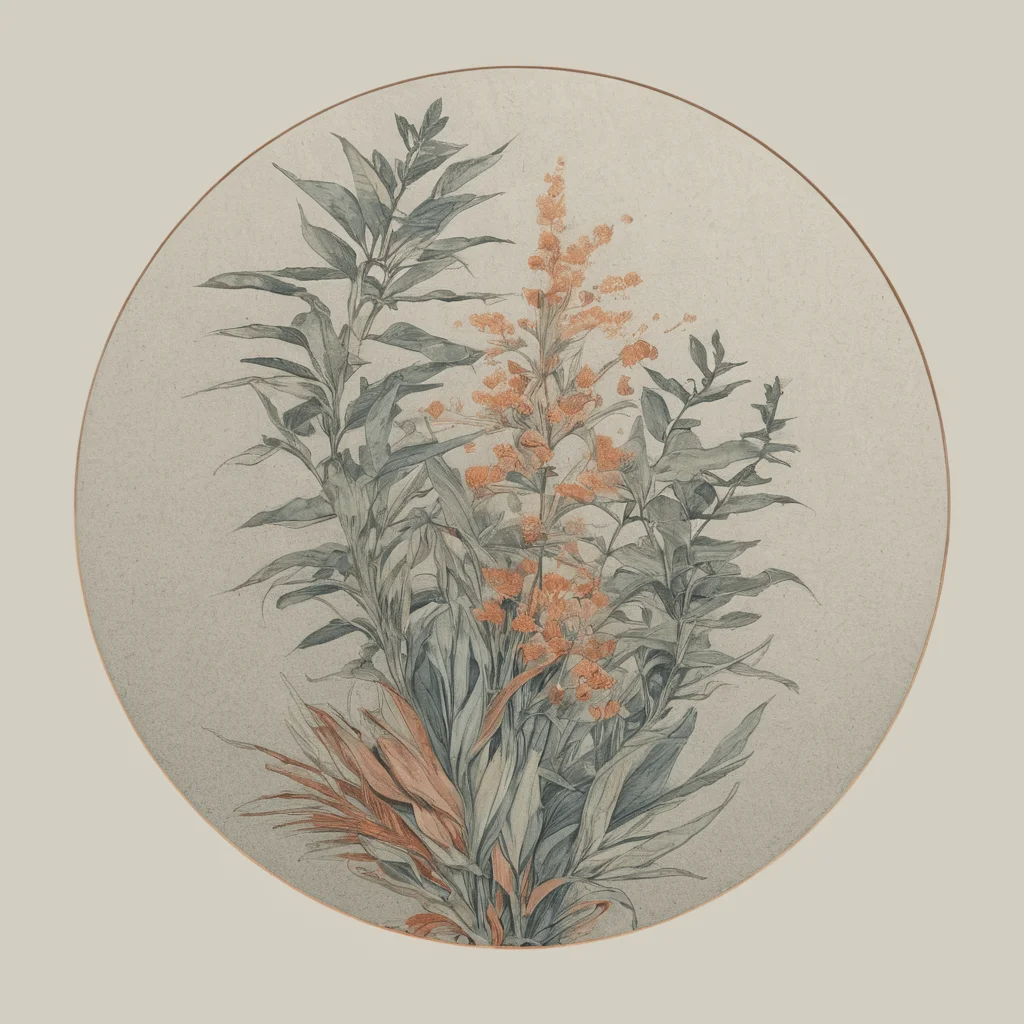
Sage Allegory
Credit Alberto Conde, Kitchen in the Med
The most frequently asked questions about growing Sage
When is the ideal time to plant sage?
Plant sage in the temperate periods of spring or autumn.
How much space should I leave between sage plants?
Position sage plants between 18 to 24 inches (46 to 61 cm) between them.
What type of soil is best for growing sage?
Nutrient-dense soil that drains well, having a pH between 6.5 and 7.0.
How often should I water my sage plants?
Water them when the soil’s top inch dries out.
How often should I fertilize my sage plants?
Consistently nourish with a water-soluble plant fertilizer.
Is sage an annual or perennial plant?
Sage grows as a perennial.
Can I grow sage indoors?
You can cultivate sage indoors, provided it’s in a sunlit spot.
How do I harvest sage?
Snip the stems when required, or lightly pick from the entire plant during its first year.
How do I dry sage?
Dangle the stems in a warm, dry area with the tips facing downward.
What are the different types of sage?
Popular sage varieties include Common sage, Purple sage, Golden sage, and White sage.
What are the benefits of growing sage?
Sage is a tasty culinary herb and has therapeutic benefits.
What pests and diseases can affect sage plants?
Thrips, Japanese beetles, and caterpillars are among the pests that target sage, while root decay and fungal problems are some of their common issues.
How can I shield my sage plants from pests and diseases?
Maintain cleanliness by keeping the surroundings of the sage plant clear of debris and employing insecticidal soap or other organic solutions for pest management.
How can I use sage in cooking?
Sage enhances the taste of meats, soups, and stews; people also brew it as tea.
How can I keep my sage from getting leggy?
Ensure ample sunlight and consistently trim the plant.
Plant sage in the temperate periods of spring or autumn.
Position sage plants between 18 to 24 inches (46 to 61 cm) between them.
Nutrient-dense soil that drains well, having a pH between 6.5 and 7.0.
Water them when the soil’s top inch dries out.
Consistently nourish with a water-soluble plant fertilizer.
Sage grows as a perennial.
You can cultivate sage indoors, provided it’s in a sunlit spot.
Snip the stems when required, or lightly pick from the entire plant during its first year.
Dangle the stems in a warm, dry area with the tips facing downward.
Popular sage varieties include Common sage, Purple sage, Golden sage, and White sage.
Sage is a tasty culinary herb and has therapeutic benefits.
Thrips, Japanese beetles, and caterpillars are among the pests that target sage, while root decay and fungal problems are some of their common issues.
Maintain cleanliness by keeping the surroundings of the sage plant clear of debris and employing insecticidal soap or other organic solutions for pest management.
Sage enhances the taste of meats, soups, and stews; people also brew it as tea.
Ensure ample sunlight and consistently trim the plant.
Main Sources I used in This Article
Native Plants Journal
International Journal of Secondary Metabolite
Common Sage (Salvia officinalis L.) Breeding Studies in Central Anatolian Climatic Conditions
USDA United States Department of Agriculture
Nitrogen Deposition Effects on Coastal Sage Vegetation of
Southern California
University of Wisconsin-madison, Wisconsin Horticulture
ScienceDirect
Journal of Ethnopharmacology
Volume 71, Issue 3, August 2000, Pages 513-520
Penn State University, Plant Village
Epic Gardening
Bulletin UASVM Horticulture
Bulletin UASVM Horticulture, 67(1)/2010
Print ISSN 1843-5254; Electronic ISSN 1843-5394
Regeneration, Micropropagation, Callus Cultures and Somatic
Embryogenesis of Common Sage (Salvia officinalis L.)
Common Sage (Salvia officinalis L.) Breeding Studies in Central Anatolian Climatic Conditions
How to Grow Sage Plants: The Complete Guide
Nitrogen Deposition Effects on Coastal Sage Vegetation of
Southern California
The Sage Plants in Greece: Morphological Variation and its Taxonomic Implications
Journal of Ethnopharmacology
Volume 71, Issue 3, August 2000, Pages 513-520
37 TYPES OF SAGE: FESTIVE FAN FAVORITES
Bulletin UASVM Horticulture, 67(1)/2010
Print ISSN 1843-5254; Electronic ISSN 1843-5394
Regeneration, Micropropagation, Callus Cultures and Somatic
Embryogenesis of Common Sage (Salvia officinalis L.)